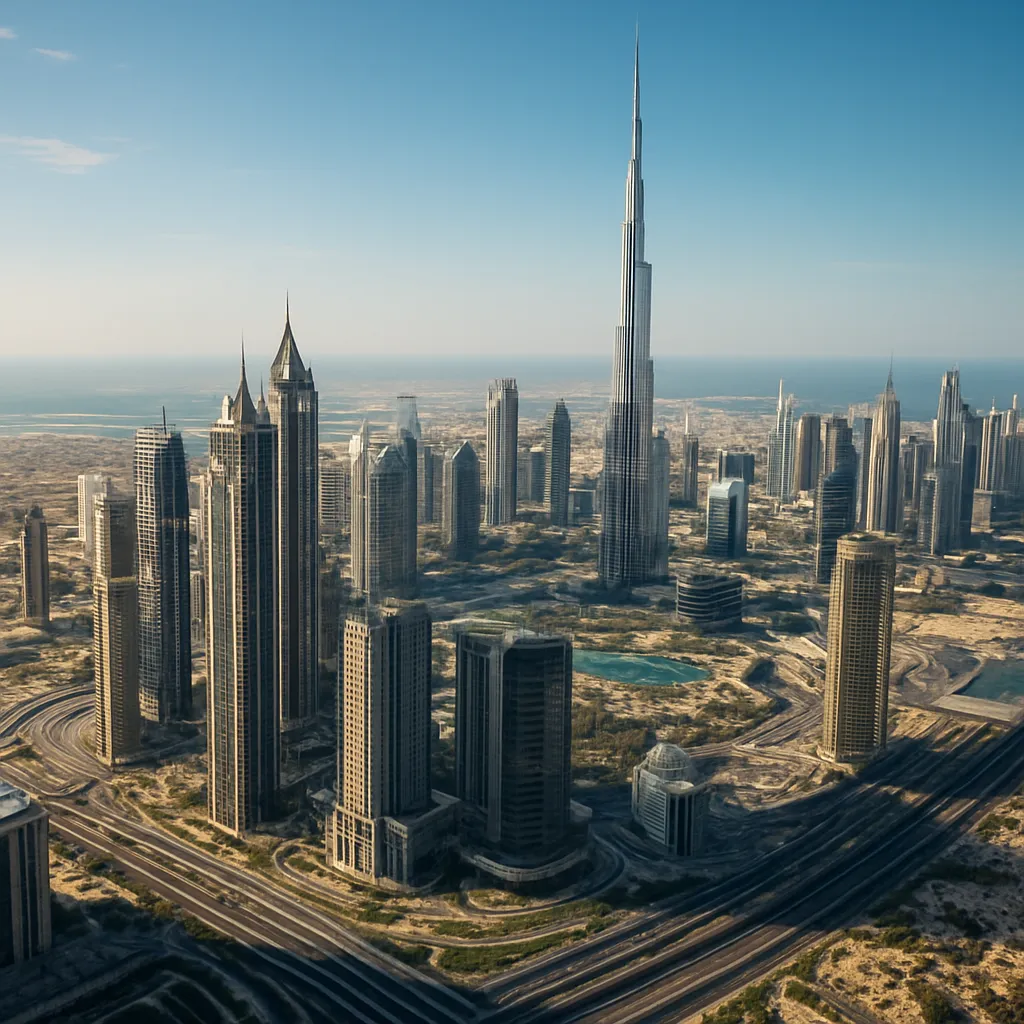
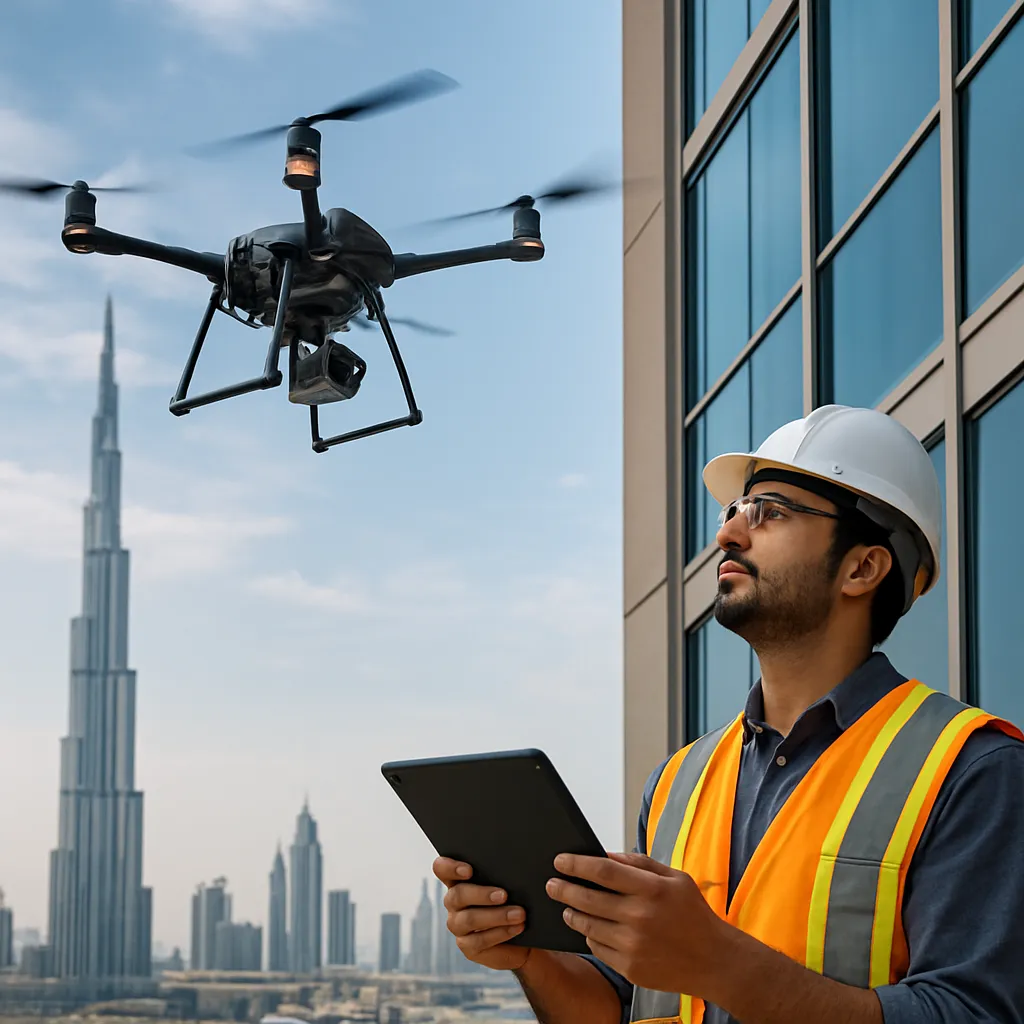
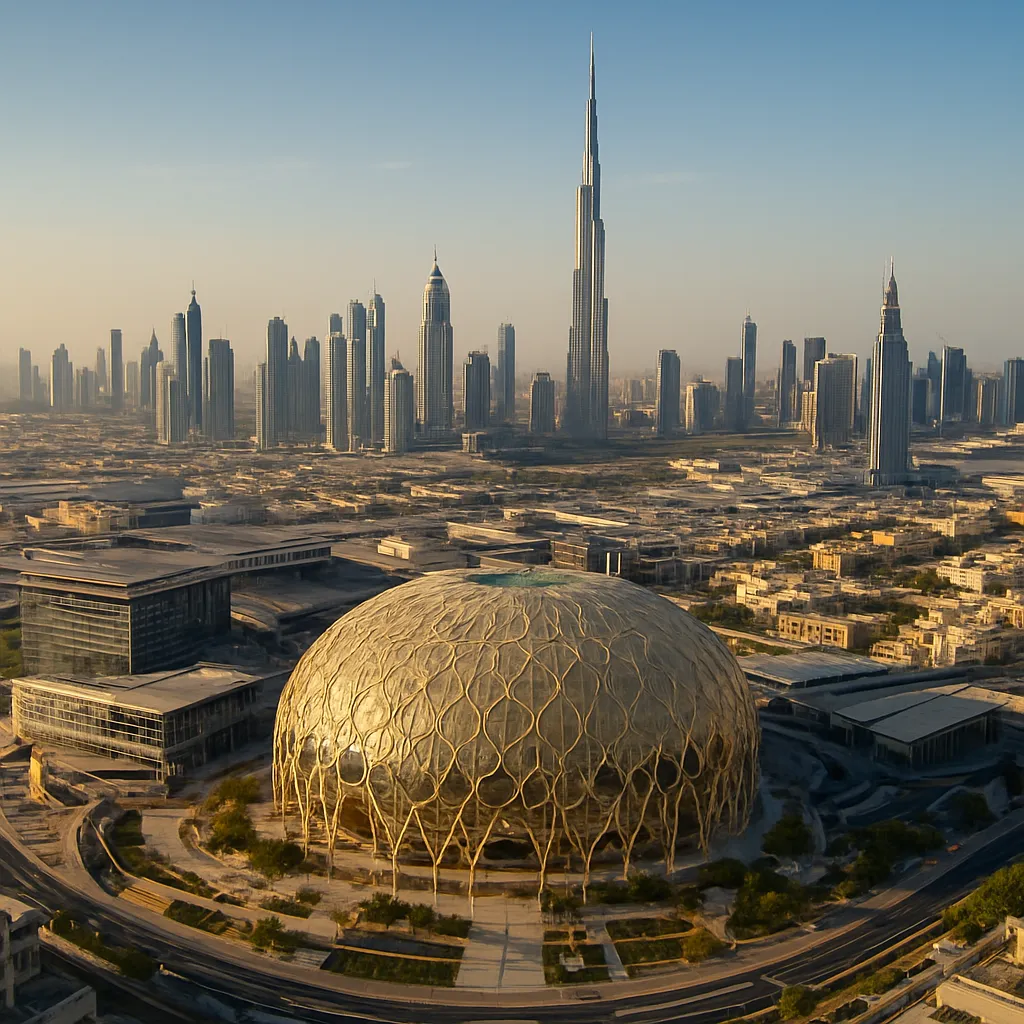
Dubai’s skyline is a testament to human ingenuity, where soaring towers meet the challenges of an unforgiving desert. The evolution of architectural design in this region draws from age-old desert strategies, marrying them with cutting-edge technologies. This synergy has given rise to structures that are not only visually stunning but also remarkably efficient in coping with the harsh climate. Through the lens of “How Desert Architecture Shapes Dubai’s Modern Design,” we explore the synthesis of heritage and innovation that defines the city’s built environment.
Historical Foundations of Desert-influenced Architecture
Long before the steel-and-glass skyscrapers emerged, local builders in the Arabian Peninsula developed ingenious methods to mitigate extreme heat and sand-laden winds. Traditional houses featured thick walls made of coral stone and gypsum, high ceilings, and shaded courtyards. These elements provided passive cooling and regulated the interior microclimate without reliance on mechanical systems.
One of the most emblematic devices was the wind tower, or “barjeel,” which functioned as a natural air-conditioning chimney. Positioned atop homes, these towers captured prevailing breezes and funneled them into living areas, pushing out warm air and dust. Such early forms of ventilation inspired modern atrium and façade designs, demonstrating a profound respect for the desert’s rhythms.
Moreover, thick walls with integrated thermal mass absorbed heat during the day and released it at night, maintaining a stable indoor temperature. The use of locally sourced materials ensured that buildings blended seamlessly with the desert landscape and imposed minimal environmental strain. These time-honored practices formed the blueprint for today’s sustainable high-rises and residential complexes in Dubai.
Sustainable Strategies in Modern Dubai Buildings
In the pursuit of growth, Dubai’s architects and engineers have looked back to desert vernacular for solutions that reduce energy consumption while enhancing occupant comfort. The concept of the “cooling envelope” surrounds new developments, focusing on insulation, shading devices, and optimized orientation.
Passive Solar Design and Shading
- Building orientation: Aligning towers to minimize solar heat gain on east-west façades
- External screens: Using mashrabiya-inspired lattices to filter direct sunlight
- Overhangs and louvers: Adjustable panels that block high-angle sun while admitting diffuse light
These measures are combined with advanced glazing systems to control sunlight transmission. Low-emissivity glass and double-skin façades reduce thermal loads, cutting air-conditioning demands by up to 40 percent.
Green Spaces and Microclimate Control
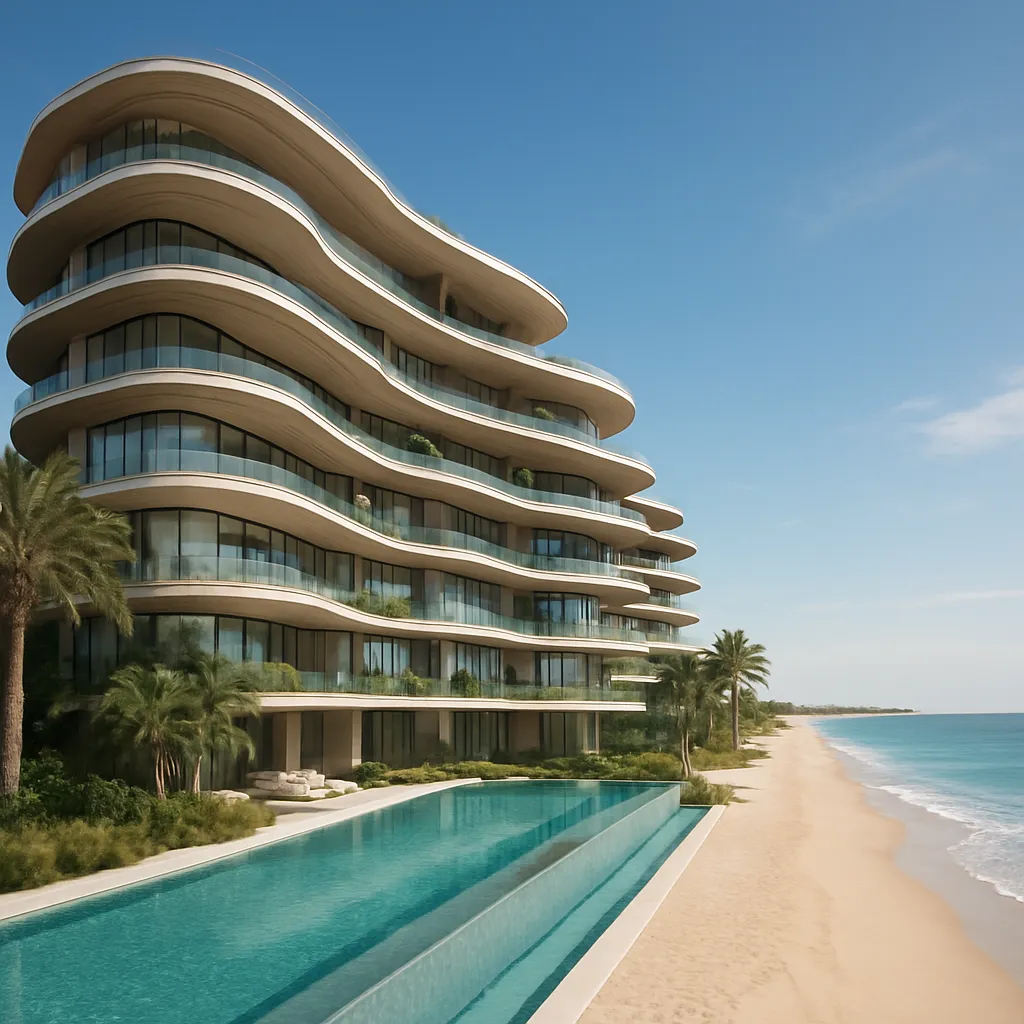
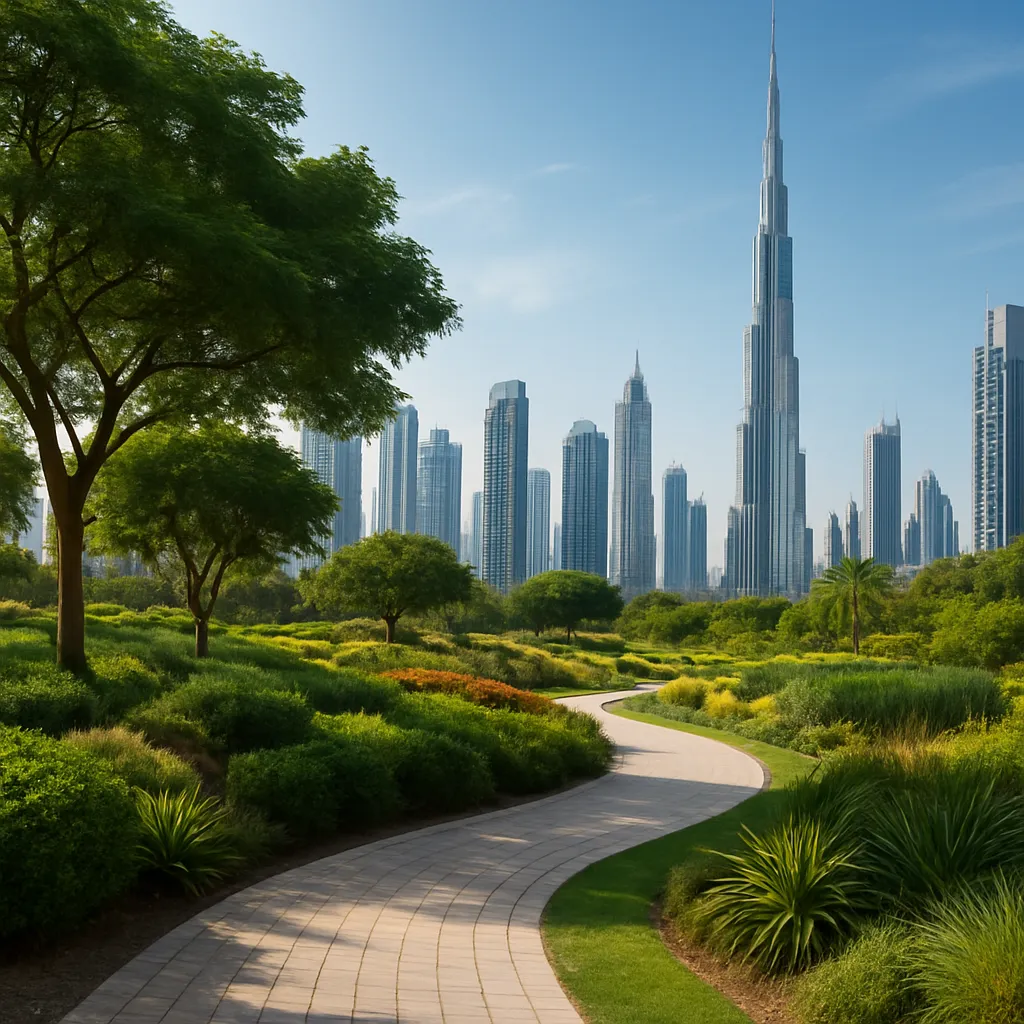
Landscaping plays a critical role in cooling urban corridors. The introduction of misting systems, reflective pavement, and palm-shaded walkways lowers ambient temperatures. Green roofs and vertical gardens absorb heat and provide natural insulation, translating traditional oasis concepts into high-rise realities.
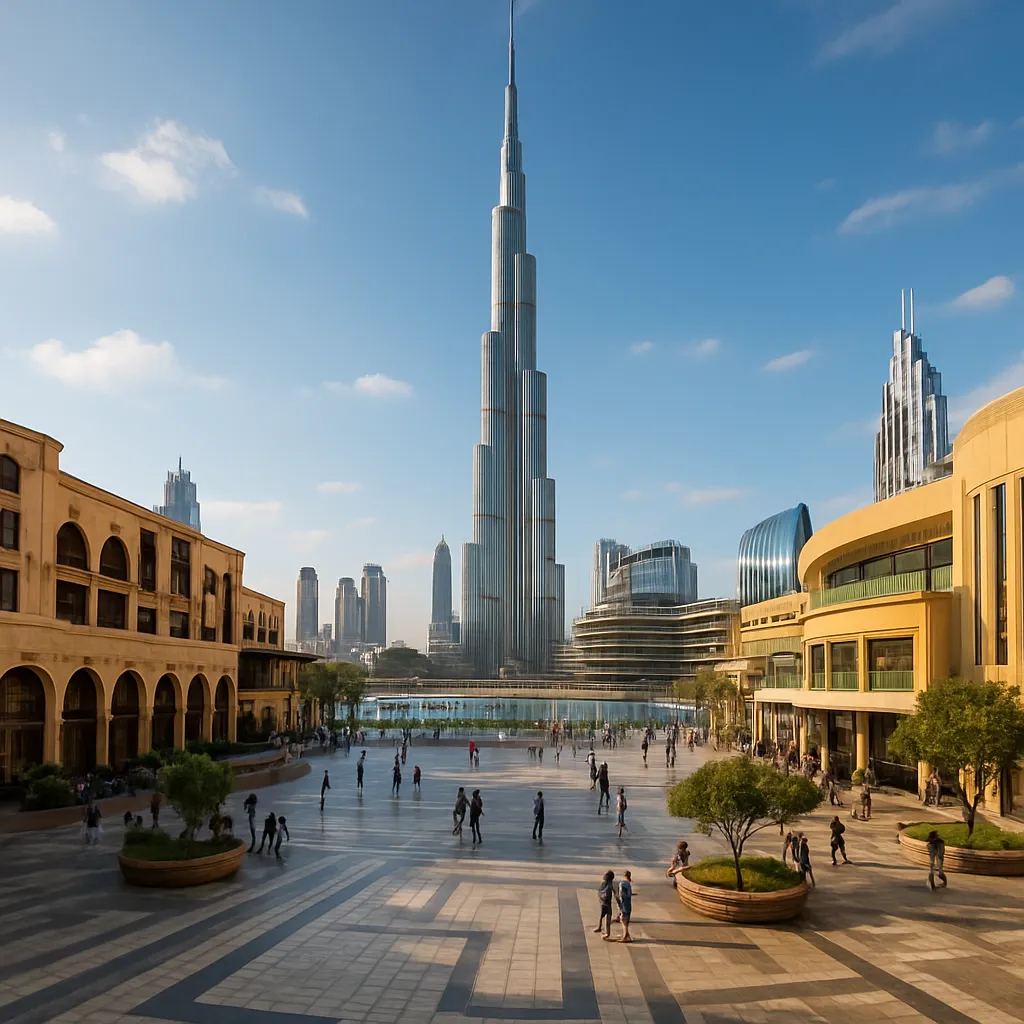
Rainwater harvesting and greywater recycling feed irrigation, preserving precious freshwater resources. By channeling these systems beneath plazas and courtyards, architects have reimagined the communal spaces of old souks and majlis areas as vibrant, sustainable hubs.
Iconic Landmarks and Technological Innovations
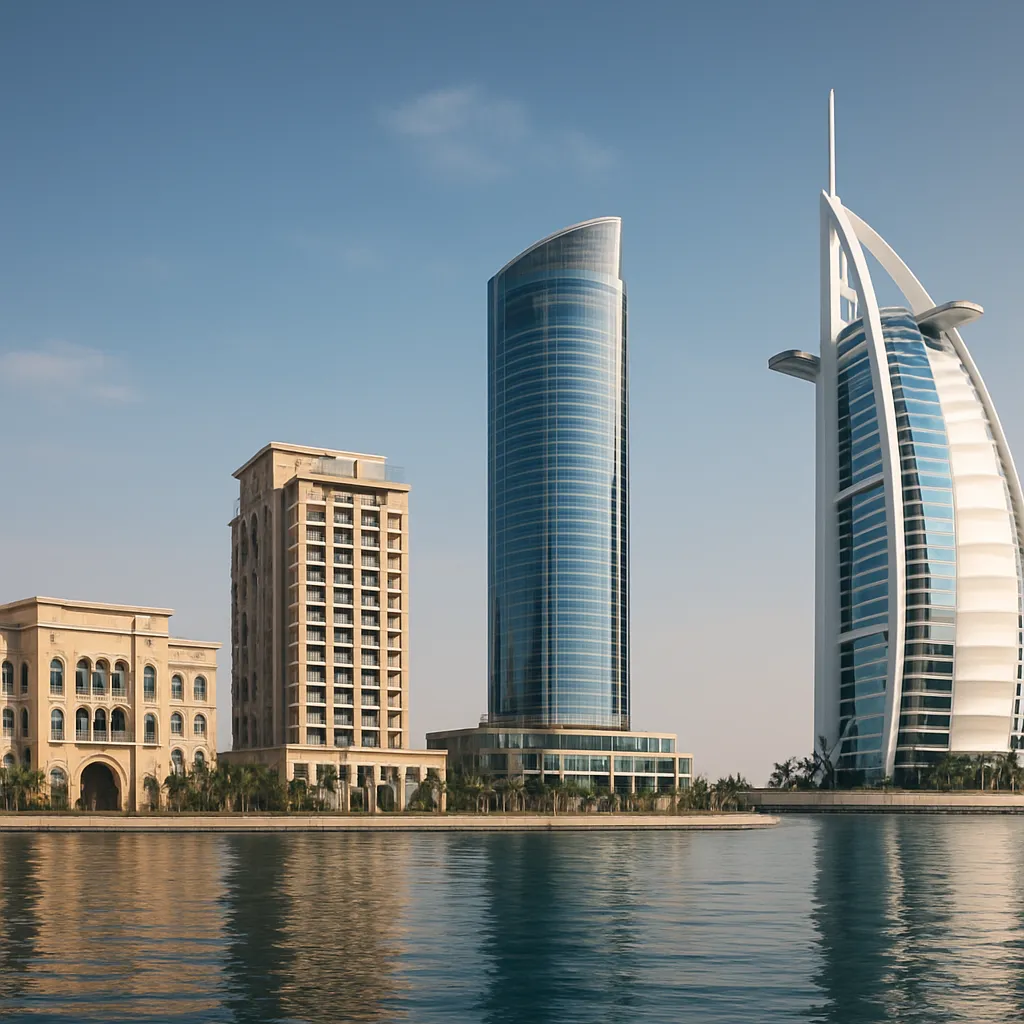
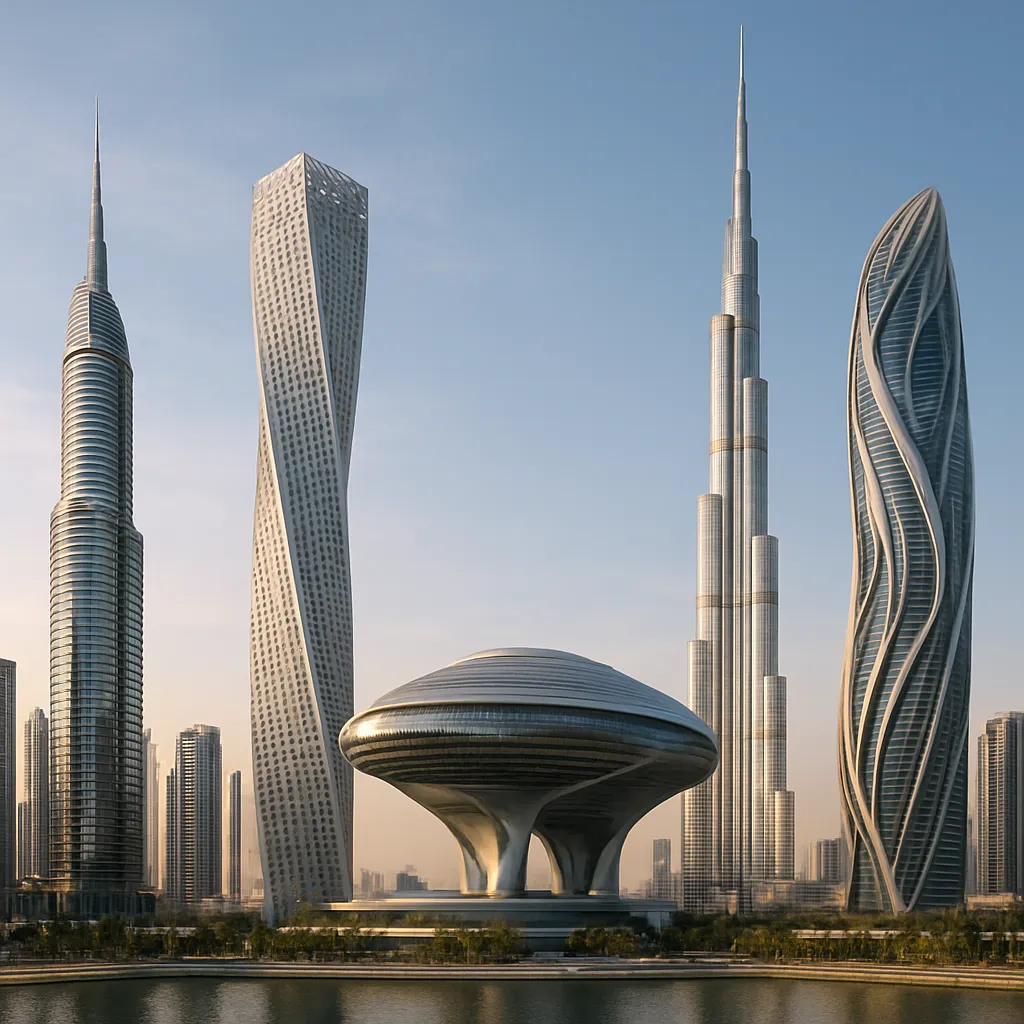
Dubai’s unrelenting ambition has birthed some of the world’s most iconic landmarks, each showcasing unique responses to desert conditions. From the twisting form of the Cayan Tower to the sail-like silhouette of the Burj Al Arab, every structure is imbued with a sense of purpose beyond aesthetics.
Burj Khalifa: Redefining Vertical Living
The world’s tallest building employs a Y-shaped floor plan to reduce wind loads and ensure structural stability. Its stepped setbacks also create generous external terraces, providing shaded outdoor zones and breaking up solar exposure. The spire is clad in a high-performance glass curtain wall, featuring fins that act as sunshades while enhancing the tower’s luminous appearance at dusk.
Dubai International Airport Concourse 3: A Breathable Terminal
Designed to process millions of passengers annually, the terminal integrates climate-adaptive principles inspired by desert canyons. Narrow airflow channels draw cool air upward, while the roof’s reflective panels redirect infrared radiation. These strategies enable a spacious, comfortable environment without overtaxing mechanical systems.
The Sustainable City: A Residential Prototype
Nestled on the outskirts of Dubai, this masterplanned community experiments with zero-carbon living. Homes feature solar panels, high-efficiency appliances, and smart meters that monitor energy use in real time. Streets are oriented to channel prevailing winds, and communal parks are strategically placed to enhance natural ventilation. The project exemplifies how sustainability can be scaled from individual dwellings to entire districts.
Blending Tradition and Cutting-edge Materials
Modern Dubai architects continue to reinterpret desert heritage through innovative materials and construction techniques. New composites mimic the thermal mass of traditional mudbrick, while lightweight panels infused with phase-change materials absorb and release heat as needed.
- 3D-printed elements reproducing ornate mashrabiya patterns
- Self-healing concrete that seals microcracks, ensuring longevity in abrasive desert winds
- Smart façades with sensors that adjust opacity according to sun position
These advancements underscore a commitment to functional beauty, where every façade is a dynamic system rather than a static barrier. By harnessing digital tools and parametric modeling, designers can simulate desert conditions and optimize building performance before a single brick is laid.
The Future of Desert Architecture in Dubai
As the city presses onward with mega-projects like Dubai Creek Harbour and the Dubai Urban Master Plan 2040, the legacy of desert architecture remains a guiding star. Future towers will likely leverage even more sophisticated technology, including artificial intelligence for energy management and biophilic design to reconnect occupants with nature.
Emerging research on local materials, such as bio-concrete infused with desert algae, promises to reduce carbon footprints further. Meanwhile, vertical farming integrated into mixed-use towers could supply fresh produce while shading residential zones. These innovations illustrate a holistic vision where buildings act as living organisms, metabolizing sunlight, water, and air to sustain their inhabitants.
In essence, Dubai’s modern design is a dialogue between past and future—a conversation that acknowledges the wisdom of desert traditions while embracing the potential of digital fabrication, renewable energy, and advanced materials. The result is a built environment that not only dazzles the eyes but also stands resilient against one of Earth’s most demanding climates.