Dubai presents a striking example of how a modern metropolis can harmonize with its ancestral roots, weaving a delicate tapestry that honors Bedouin traditions while embracing groundbreaking innovation. As the cityscape evolves, architects and planners draw upon a rich reservoir of techniques and motifs, ensuring that each new structure resonates with the soul of the desert and the dynamism of global progress. This interplay is not merely aesthetic; it forms the backbone of Dubai’s urban identity, guiding decisions that range from material sourcing to skyline composition.
Historical Roots of Architectural Heritage
Long before the advent of glass-and-steel skyscrapers, Dubai’s early inhabitants mastered ingenious solutions to cope with the harsh desert climate. Wind towers (barjeel), thick mudbrick walls, and ornate wooden screens called mashrabiya exemplify a vernacular architecture shaped by environment and culture. These elements not only provided passive cooling and privacy but also manifested a deeper connection to local values, reflecting the region’s resourcefulness and communal spirit.
The city’s traditional souks, mosques, and courtyard homes preserve intricate craftsmanship passed down through generations. Artisans carved geometric patterns and calligraphic motifs that captured the essence of Islamic artistry, while courtyard designs fostered shaded communal spaces. Such features laid the groundwork for a design philosophy rooted in balance, proportion, and respect for context—principles that continue to inform contemporary projects.
Recognizing the importance of this heritage, preservation initiatives have revitalized Al Fahidi Historical Neighbourhood and other bastion districts. Visitors can wander winding lanes, encountering restored wind towers and traditional majlis (gathering rooms). These areas offer living laboratories where modern interventions are tested against time-honored construction methods, ensuring that restoration and development proceed in tandem.
By integrating original materials—such as coral stone, gypsum plaster, and teakwood—with modern engineering, Dubai sets a precedent for cities aiming to maintain authenticity amid rapid growth. The result is a cohesive urban fabric that speaks both of ancestral knowledge and of a forward-looking architectural agenda.
Integration of Sustainable Technologies
Traditional Techniques Reimagined
Dubai’s architectural discourse increasingly intersects with global sustainability goals. Planners revisit ancient passive design strategies—orientation, thermal mass, and shading devices—and reinterpret them through a 21st-century lens. Solar chimneys, reflective coatings, and layered facades echo the cooling principles of wind towers, delivering energy-efficient performance without sacrificing cultural resonance.
High-Tech Solutions
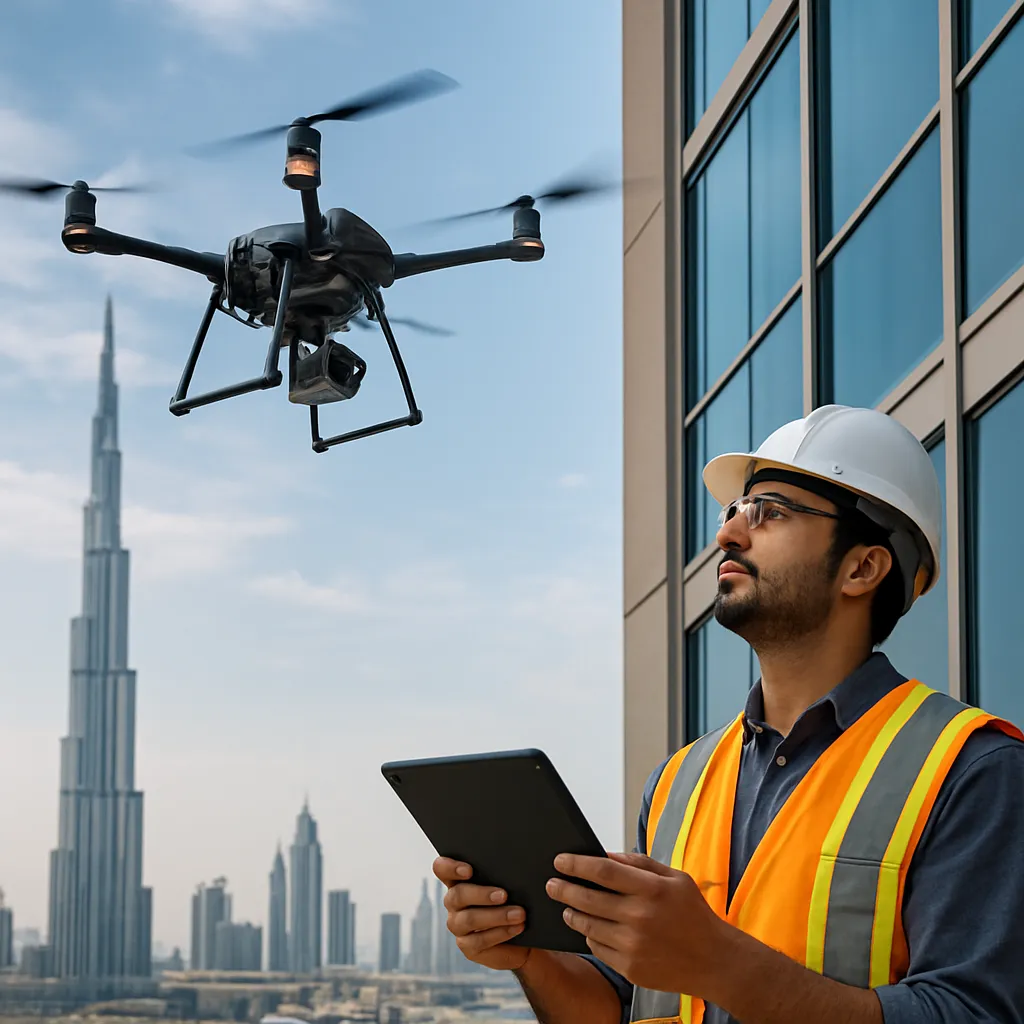
Alongside these time-tested methods, state-of-the-art technology drives Dubai’s green building revolution. Smart sensors monitor indoor climate conditions, AI-driven systems adjust lighting and ventilation, and integrated photovoltaics turn entire facades into power generators. These innovations help projects meet LEED, Estidama, and other rigorous certification standards, underscoring a citywide commitment to resource conservation and occupant comfort.
Key sustainable features frequently include:
- Double-skin facades for enhanced thermal regulation
- Rainwater harvesting integrated into landscape architecture
- District cooling systems that reduce energy footprints
- Recycled materials utilized in structural and finish elements
By layering traditional wisdom with cutting-edge solutions, Dubai demonstrates that modern sustainability need not forsake local identity, forging a path that is both efficient and evocative.
Iconic Structures Merging Past and Future
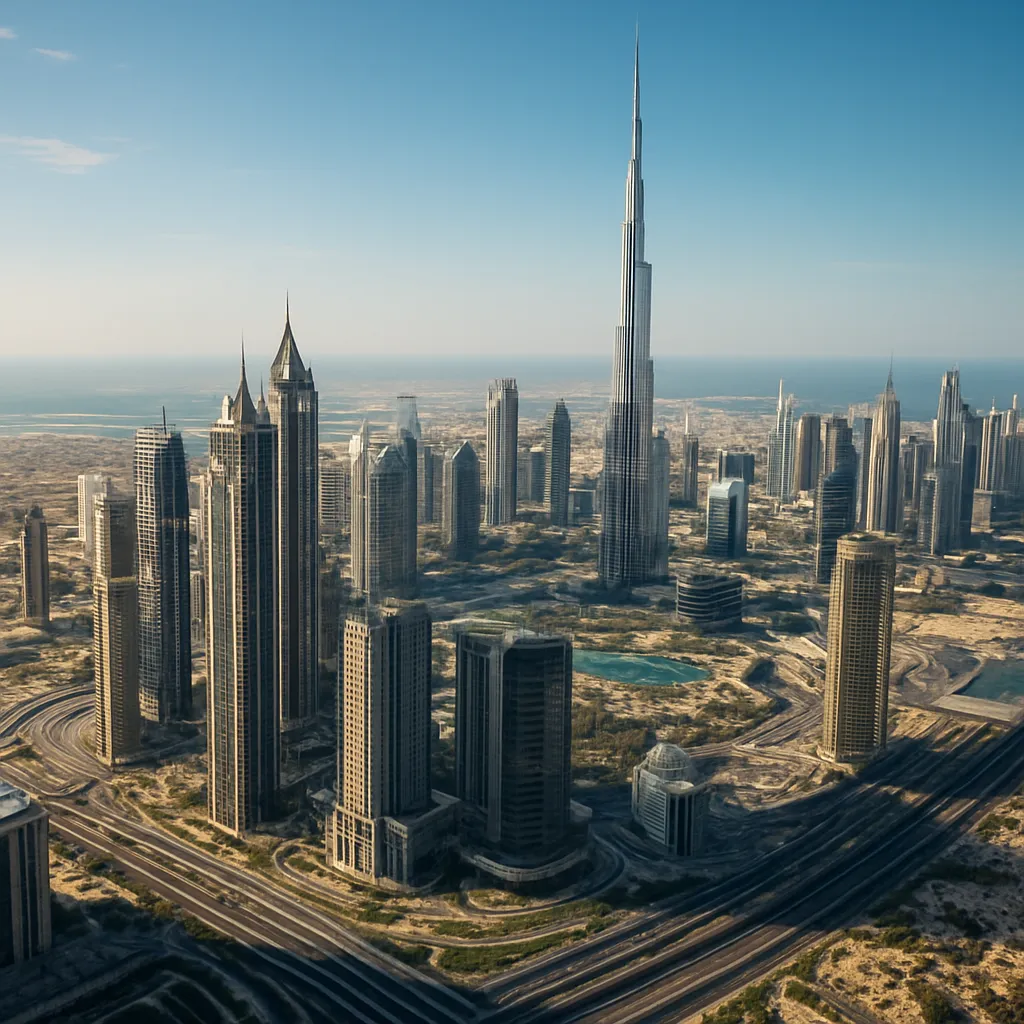
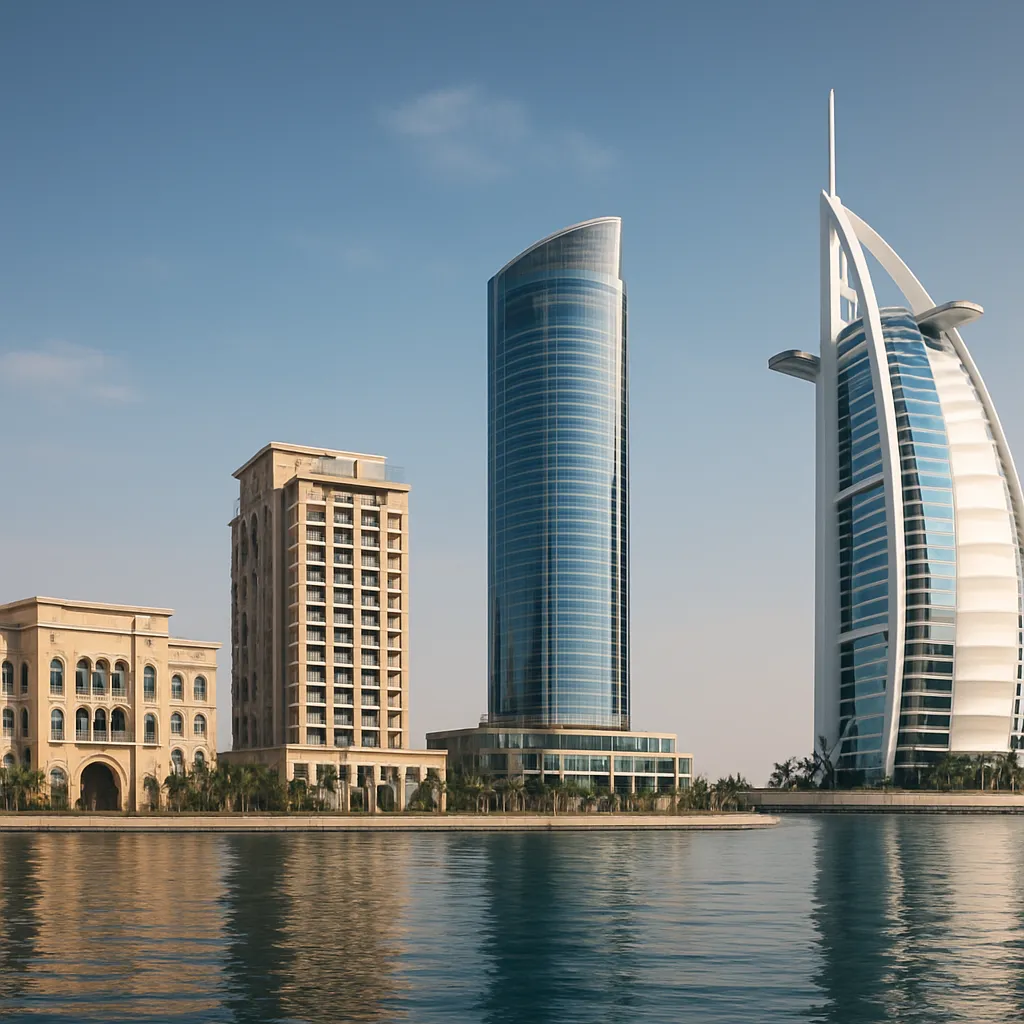
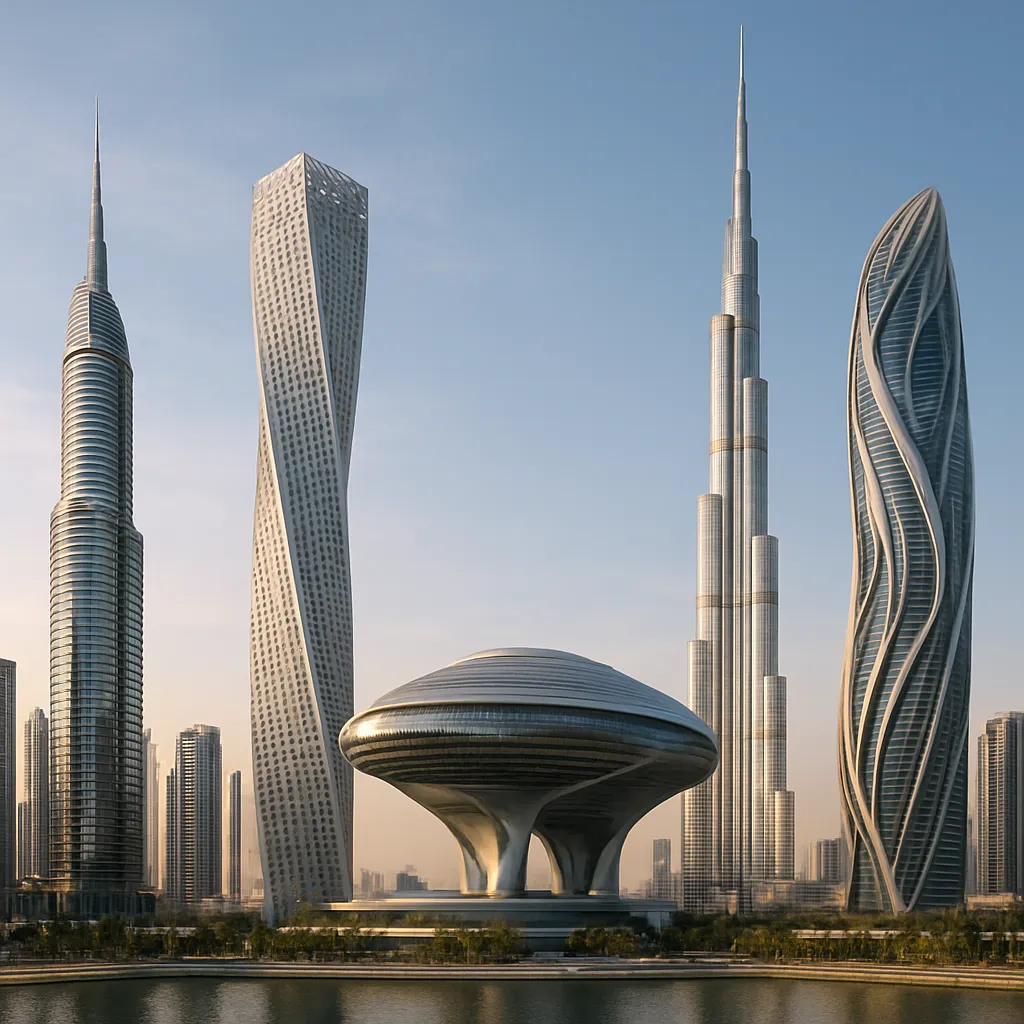
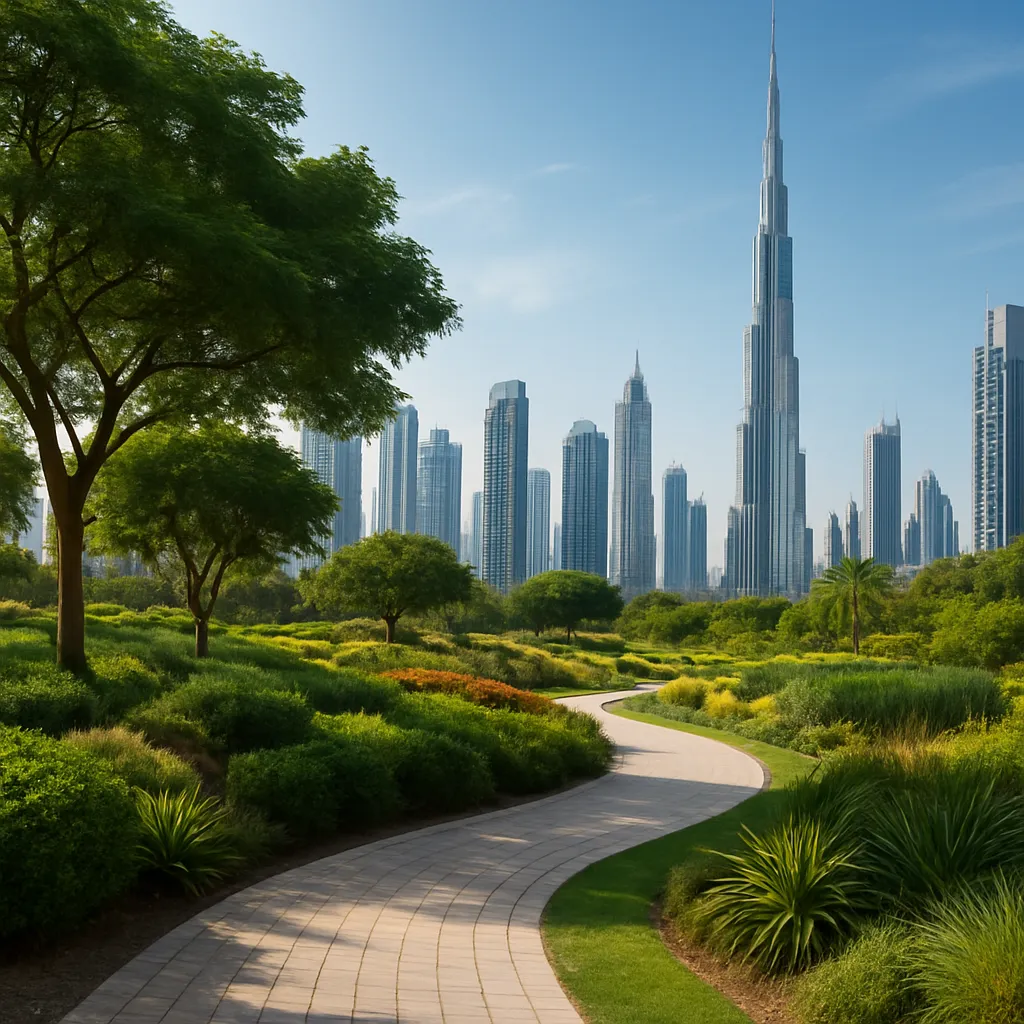
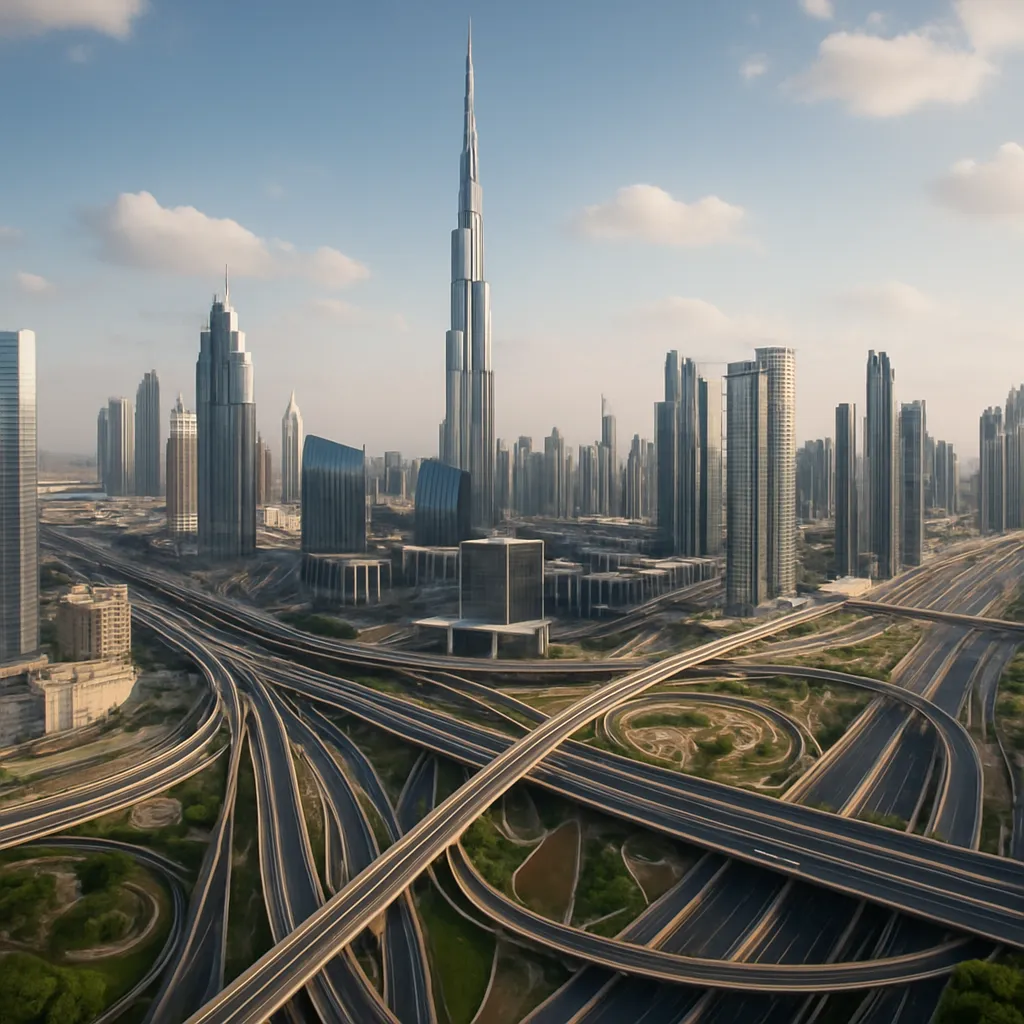
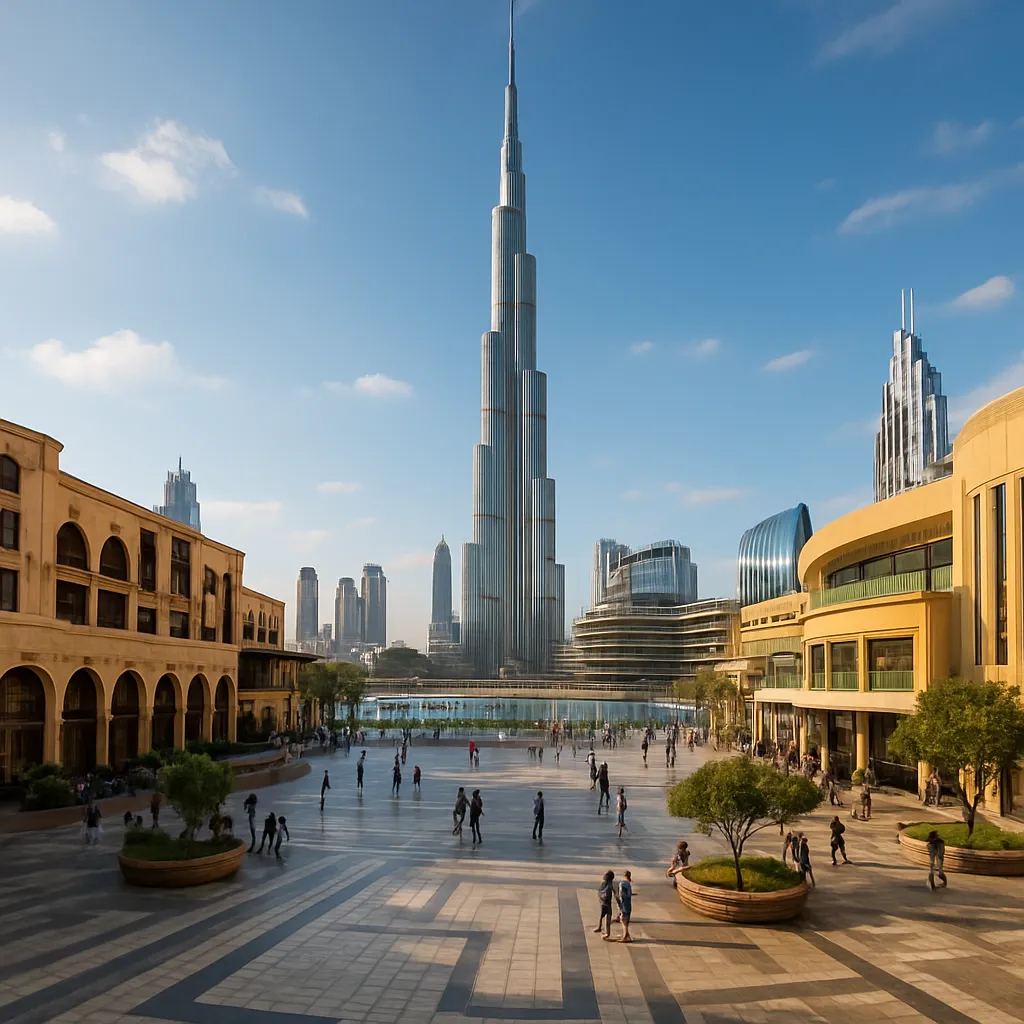
Among Dubai’s most celebrated landmarks, the Burj Khalifa stands as a testament to unparalleled ambition. Drawing inspiration from the regional Hymenocallis flower, its stepped, spiraling form evokes minaret-like silhouettes while harnessing advanced structural systems. The building’s façade—comprised of reflective glazing and aluminum panels—manages solar gain, paying homage to the city’s desert heritage through contemporary expression.
Equally striking is the Museum of the Future, whose torus-shaped volume floats above its podium, punctuated by Arabic calligraphy that spells out visionary quotes. Crafted with parametric design tools and robotic fabrication, the museum embodies a manifesto for innovation in both form and function. Visitors navigate immersive exhibits that explore emerging technologies, reinforcing Dubai’s aspiration to be a global incubator for creative thought.
The recently unveiled Dubai Frame offers another fusion of tradition and modernity: a 150-meter-high picture frame that captures contrasting cityscapes. One side overlooks historic districts, while the other presents a panorama of futuristic towers. By bridging past and present in a tangible axis, the Frame encourages observers to contemplate the trajectory of urban evolution.
These iconic structures carve a narrative of continuity, reminding residents and tourists alike that each architectural milestone builds upon a tapestry of ancestral ingenuity and forward-thinking design.
Urban Planning and Cultural Precincts
Dubai’s urban layout transcends conventional zoning with mixed-use precincts that celebrate the city’s cultural mosaic. District 2020, built on the legacy of Expo 2020, repurposes pavilions into residencies, offices, and innovation hubs, creating a live-work-play ecosystem that fosters collaboration across sectors. Shared public spaces, green corridors, and interactive art installations promote social engagement and environmental stewardship.
Similarly, Al Seef and the restored Al Bastakiya district showcase how adaptive reuse can revitalize heritage structures. Narrow alleyways, shaded courtyards, and traditional wind towers coexist with contemporary galleries, cafés, and workshops. This approach not only preserves historic fabric but also stimulates local economies, attracting entrepreneurs eager to launch handicraft studios or design boutiques.
Urban planners prioritize pedestrian-first strategies, ensuring that walkability and connectivity underpin every neighborhood. Multi-modal transport links, from abra waterways to driverless shuttles, reduce reliance on private vehicles and enhance the human scale of city life. Public plazas and waterfront promenades become stages for festivals and communal gatherings, reinforcing a sense of belonging.
By balancing high-density development with thoughtfully curated cultural precincts, Dubai charts a course that integrates modern urban ambitions with the authenticity of its past.
Community Engagement and Cultural Preservation
An essential pillar of Dubai’s architectural ethos is inclusive participation. Government agencies, design councils, and private developers collaborate with community members to ensure that new projects resonate with diverse stakeholder values. Interactive charrettes, virtual reality walkthroughs, and pop-up exhibitions invite input from residents, Emirati families, and expatriate communities.
Heritage villages and open-air museums provide experiential learning about traditional crafts such as pottery, weaving, and metalwork. Artisans conduct workshops on constructing mudbrick walls or carving wooden screens, linking hands-on practice to contemporary building techniques. This intergenerational exchange nurtures respect for ancestral methods and equips a new cohort of designers with contextual insight.
Public art commissions further animate urban spaces, featuring installations that reference pearl diving, desert wildlife, and Bedouin poetry. Murals and sculptures become landmarks in their own right, encouraging passersby to reflect on Dubai’s transformative journey—from a humble trading port to a global nexus of commerce and creativity.
Through purposeful community engagement and steadfast efforts to safeguard living traditions, Dubai achieves a resilient balance—one where progress and preservation coexist, each enriching the other in the tapestry of the city’s built environment.