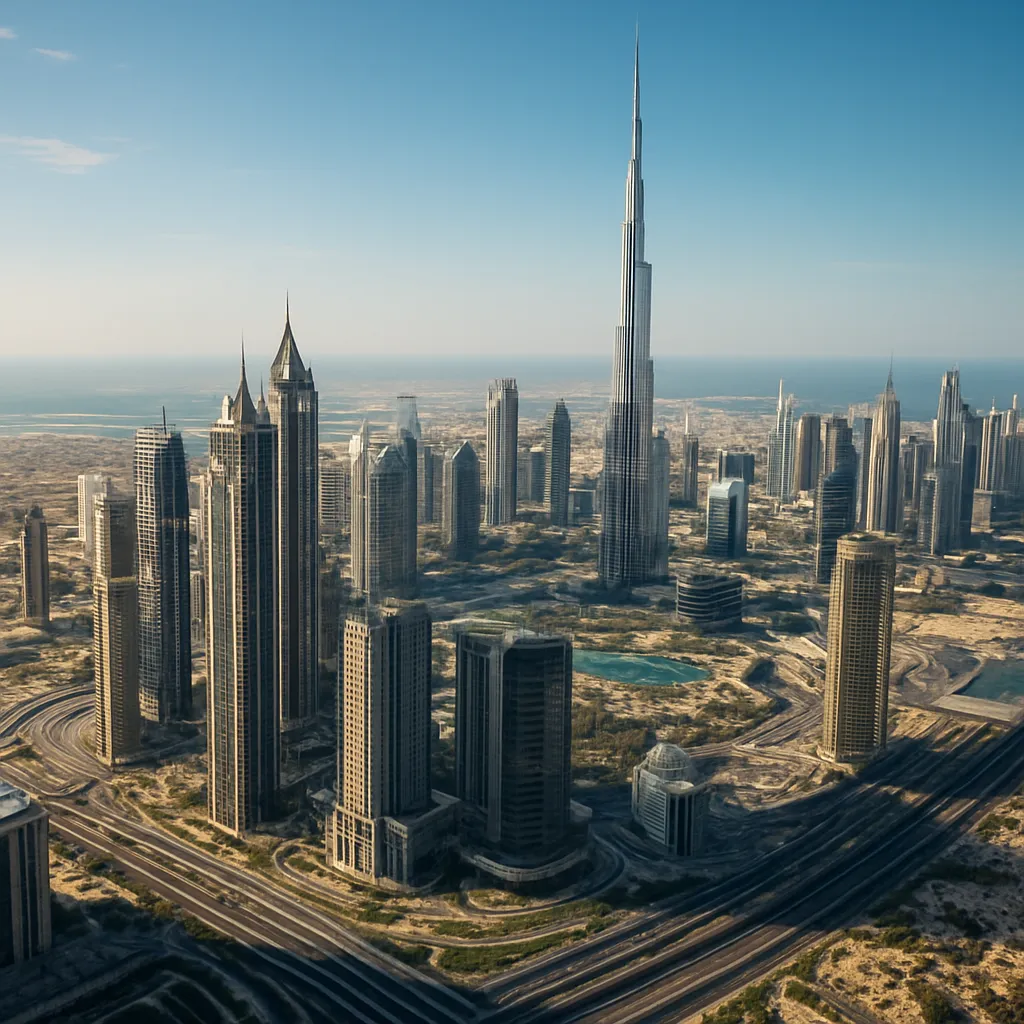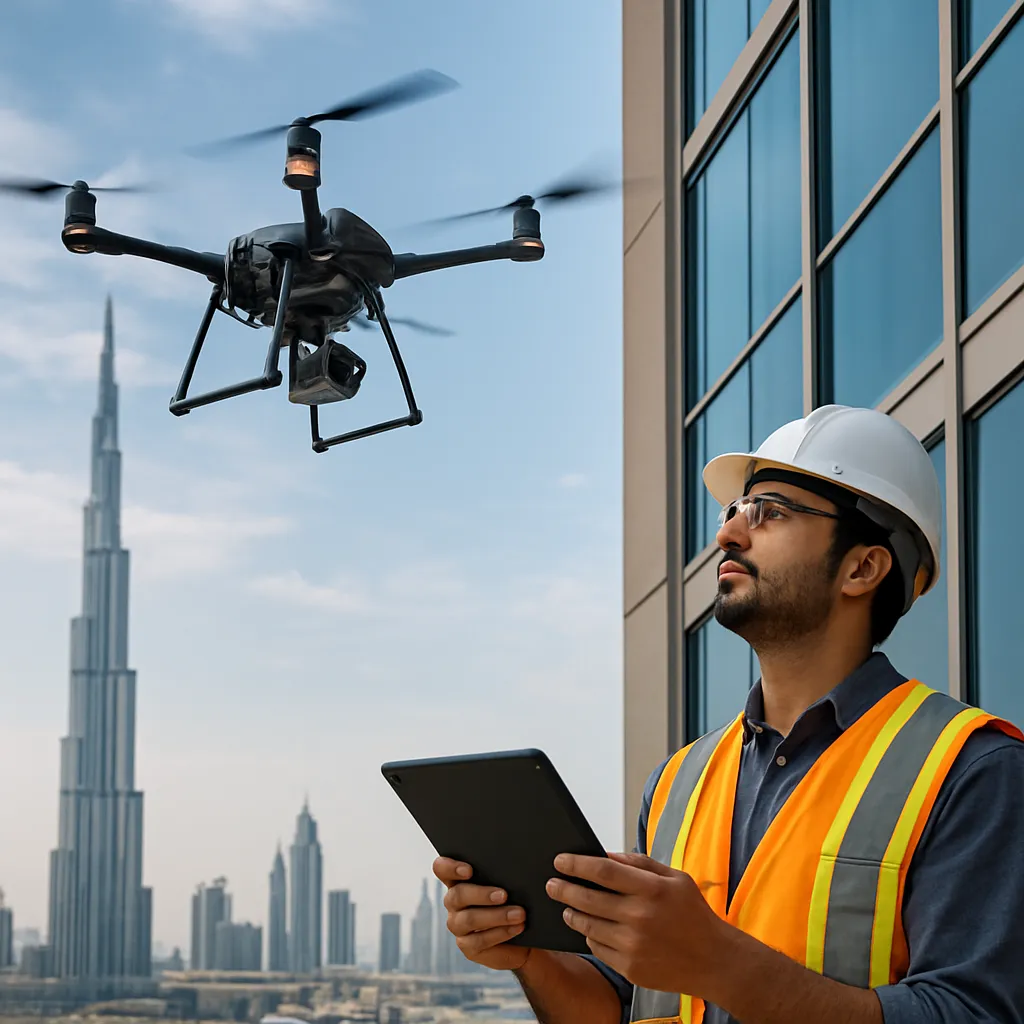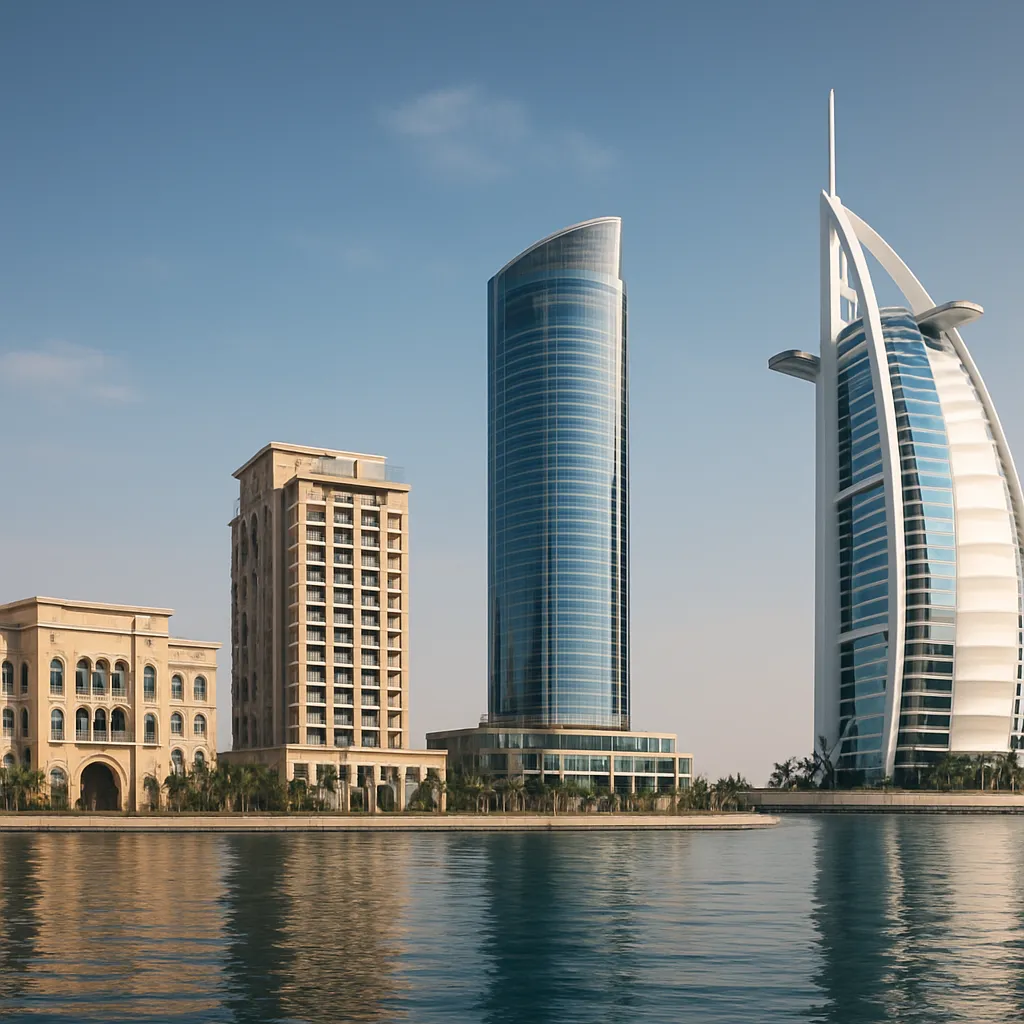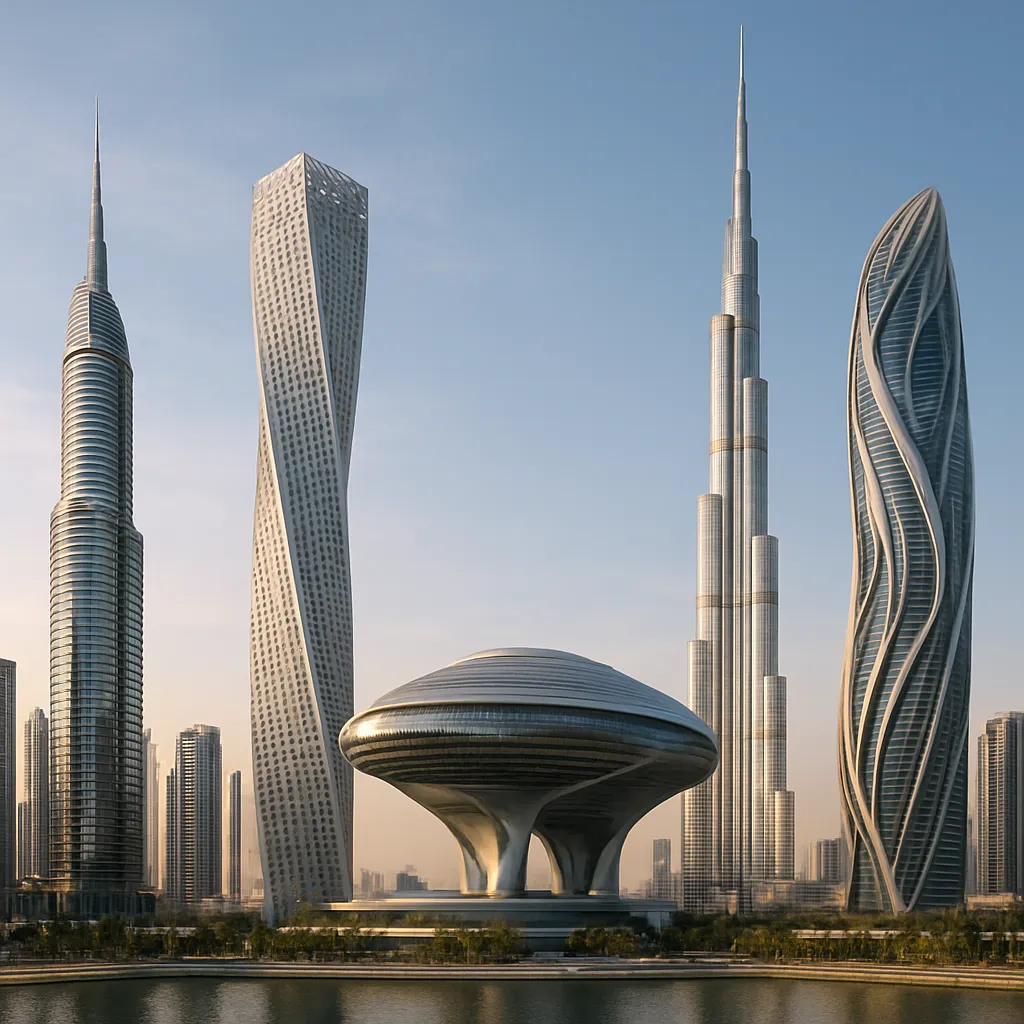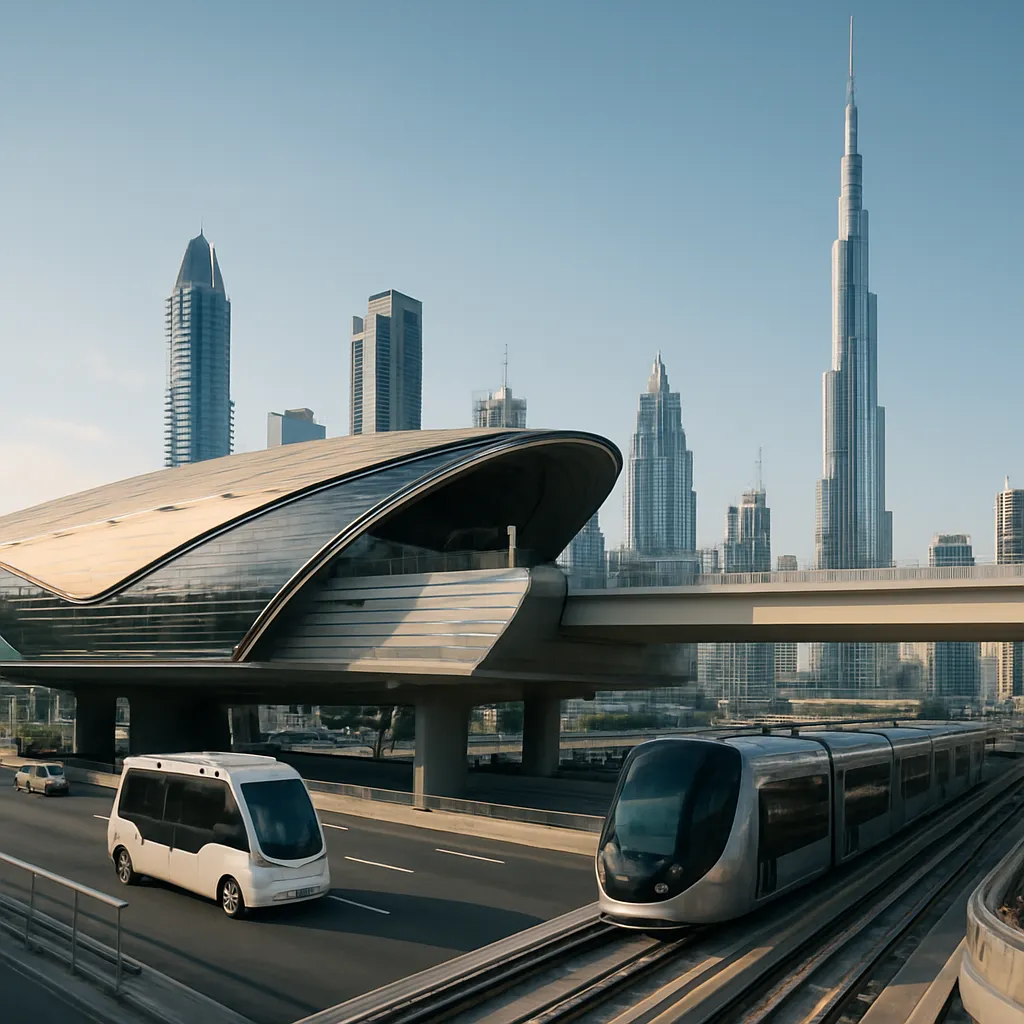
Dubai’s relentless pursuit of innovation has transformed its urban landscape, particularly in the realm of transport. The city’s ambitious strategy focuses on creating smart transportation hubs that seamlessly integrate with Dubai’s iconic skyline. These facilities are not merely points of departure and arrival—they are dynamic environments where mobility, connectivity, and sustainability converge to redefine urban movement. This article explores the strategic vision, architectural ingenuity, technological integration, and future outlook of Dubai’s leading smart hubs.
Vision and Strategic Planning of Smart Hubs
Dubai has established clear objectives to remain at the forefront of global urban development. The emirate’s leadership identified key factors to achieve this status:
- Integrated master plans aligned with Expo 2020 legacies
- Public-private partnerships to accelerate infrastructure projects
- Real-time data utilization for adaptive city management
- Promotion of innovation through pilot programs and testbeds
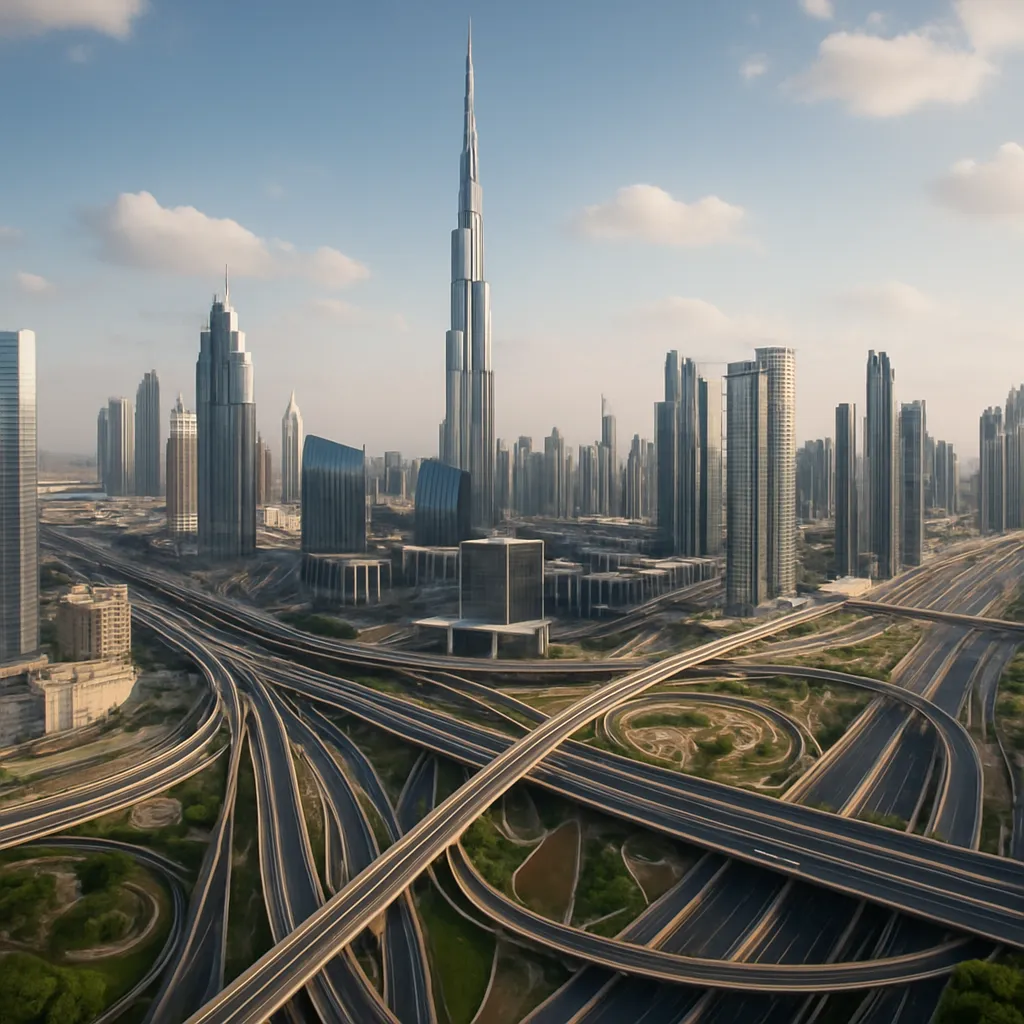
One of the flagship initiatives is the design of multi-modal transport interchanges. These hubs combine metro stations, bus terminals, taxi stands, and water transport piers, all under a single architectural canopy. By centralizing services, Dubai enhances efficiency and reduces transfer times, which are crucial for the city’s growing workforce and tourist influx. Strategic planning also addresses future growth, with expansion corridors mapped out along the Blue and Red Metro lines.
Public-Private Collaboration
Collaboration between government bodies such as RTA (Roads and Transport Authority) and private developers has been pivotal. Developers contribute capital and expertise, while the public sector ensures regulatory compliance and strategic alignment. This synergy has led to landmark projects like the Al Khail GateHub and Jumeirah Lake Towers Interchange.
Architectural Innovation and Design Features
The architecture of Dubai’s smart transport hubs goes beyond mere functionality. Designers draw inspiration from regional motifs while embracing cutting-edge materials and forms. The goal is to create spaces that foster a sense of place and identity.
- Biophilic design elements to introduce greenery and natural light
- Modular canopies made from advanced composites and tensioned membranes
- Floor-to-ceiling glazing for panoramic city views
- Dynamic facades with LED-embedded panels
These design decisions serve multiple purposes: they improve passenger comfort, reduce energy consumption, and create iconic landmarks. For example, the Dubai Creek Harbour Station features a sweeping roofline that channels prevailing winds for natural ventilation. Its translucent membrane canopy filters sunlight, minimizing glare while providing diffused illumination.
Spatial Zoning and User Flow
Effective spatial zoning is critical in busy transport nodes. Dubai’s planners adopt a layered approach:
- Arrival and departure zones clearly separated
- Retail and F&B clusters positioned along main circulation paths
- Dedicated waiting areas with digital wayfinding
- Quiet zones for long-distance passengers and business lounges
Wayfinding in these hubs relies on multilingual signage, real-time departure boards, and intuitive floor patterns. The objective is to guide travelers effortlessly, reducing confusion and congestion during peak hours.
Integration of Technology and User Experience
Technology is the backbone of any smart facility. Dubai’s transport hubs leverage an array of digital systems to optimize operations and elevate the passenger journey.
- IoT sensors for crowd density monitoring and climate control
- Touchless ticketing and biometric entry gates
- AI-driven security surveillance with facial recognition
- Mobile apps offering real-time trip planning and last-mile solutions
These digital layers enhance connectivity and convenience. For instance, the “MyDubaiTransit” app syncs with wearable devices, sending personalized alerts about platform changes, gate closures, and alternative routes. In addition, interactive kiosks equipped with augmented reality help users navigate complex interchanges.
Seamless Payment Ecosystem
An integrated payment ecosystem supports cashless transactions across all modes—metro, tram, bus, taxi, and parking. The Nol card, supplemented by contactless credit/debit payments, reduces queuing time and streamlines revenue collection. Future upgrades include blockchain-enabled micropayments and loyalty programs tied to travel patterns.
Operational Analytics and Maintenance
Behind the scenes, a network operations center (NOC) continuously ingests data streams from sensors, ticketing systems, and CCTV cameras. Predictive analytics identify maintenance needs before failures occur, lowering downtime and extending the lifespan of mechanical and structural components. This proactive stance exemplifies Dubai’s commitment to efficiency and reliability.
Sustainability and Future Expansion
Dubai’s growth trajectory necessitates that new transport hubs meet stringent environmental benchmarks. The emirate’s ambition aligns with global carbon reduction targets, aiming to achieve net-zero emissions in the transport sector by 2050.
- Solar panels integrated into station rooftops to power lighting and HVAC
- Rainwater harvesting systems for landscaping and cleaning
- Use of locally sourced low-carbon concrete and recycled steel
- Green roofs and vertical gardens to improve air quality
Beyond current projects, Dubai plans to roll out over 15 new hubs in emerging districts such as Jebel Ali and Dubai South. These future nodes will incorporate autonomous shuttle services and drone-enabled logistics platforms. The vision extends to an interconnected network where passengers can transition from high-speed Hyperloop pods to electric water taxis within minutes.
Community Engagement and Inclusivity
Ensuring that transport hubs serve all demographics is key. Universal design principles guarantee accessibility for people with disabilities. Community input was solicited through digital surveys and interactive pop-up events, shaping features like family waiting lounges, prayer rooms, and cultural exhibition spaces.
Resilience and Adaptability
Dubai’s smart hubs are built to adapt. Flexible modular units can be repurposed as passenger volumes shift. Emergency response protocols are integrated into building management systems, allowing rapid conversion into medical triage centers if needed. This resilience is a hallmark of the city’s forward-thinking approach to urban infrastructure.