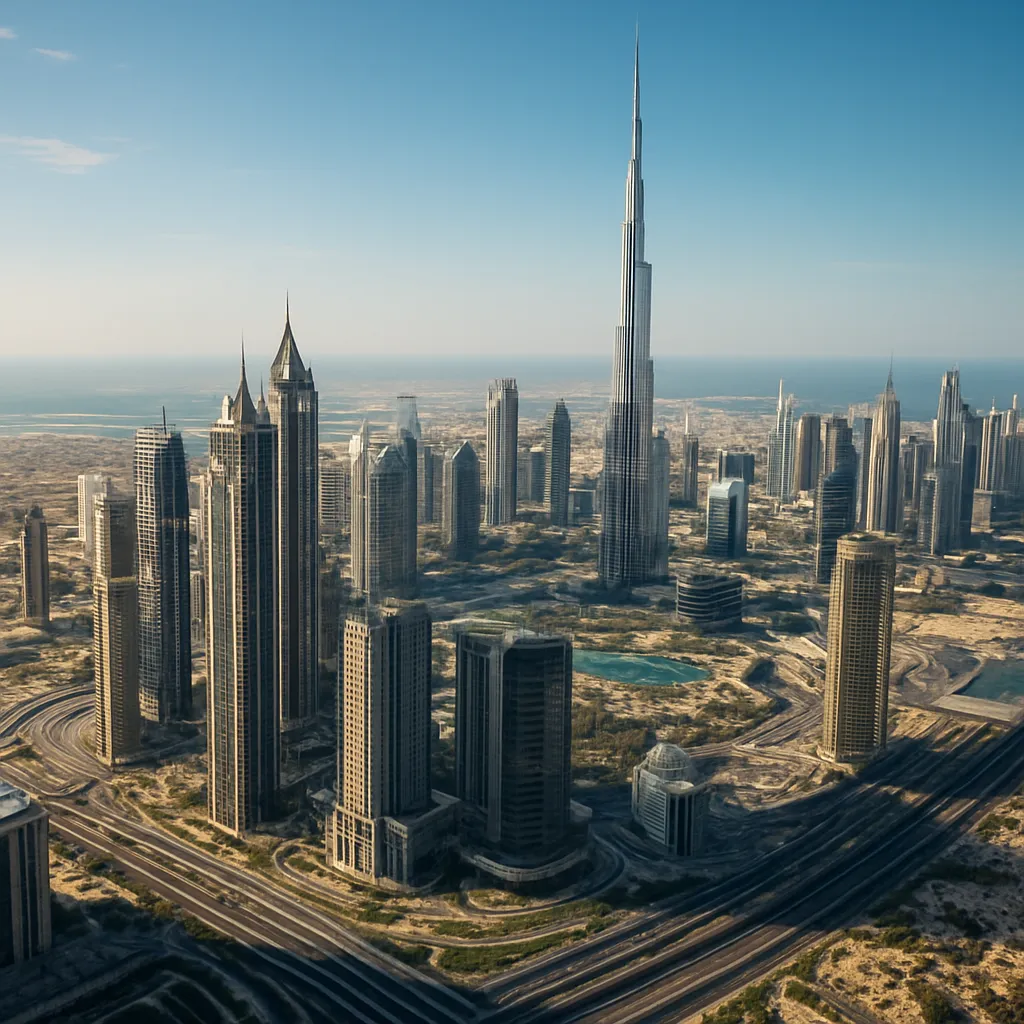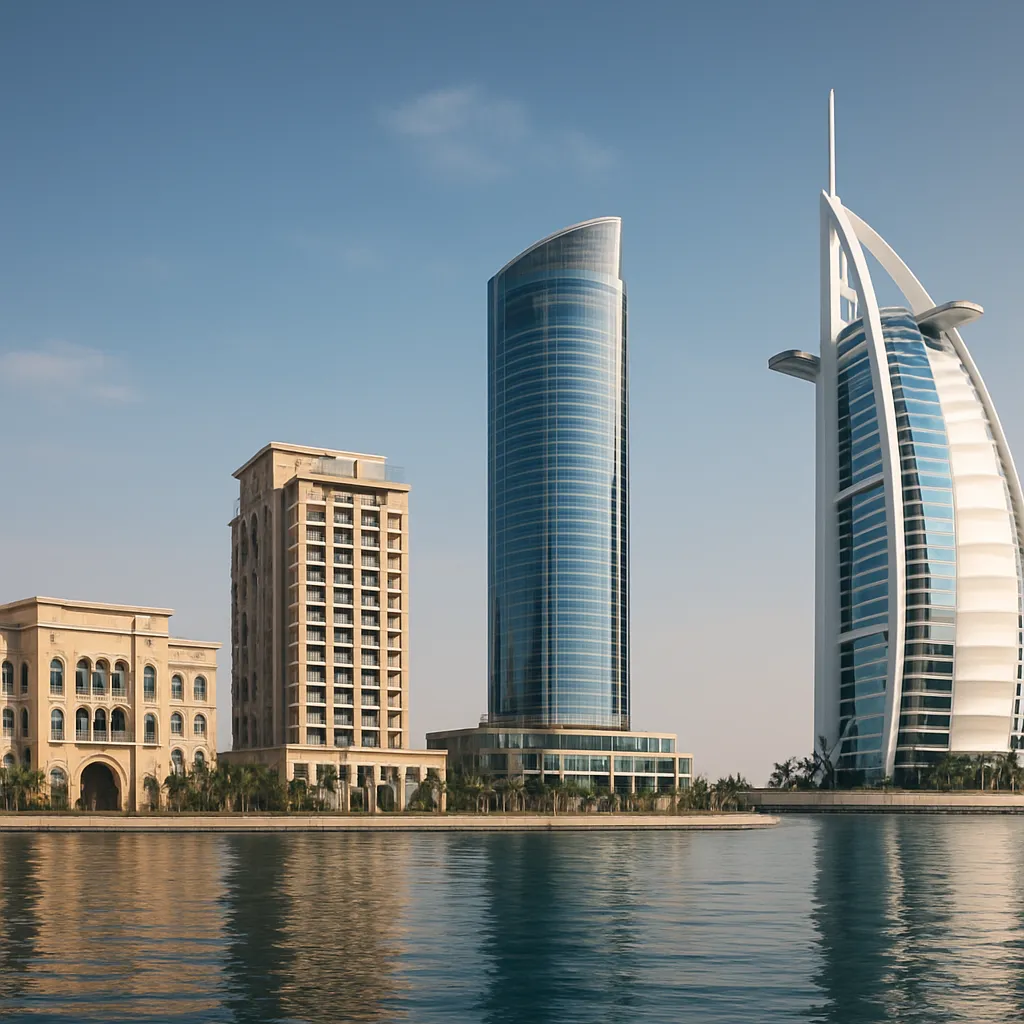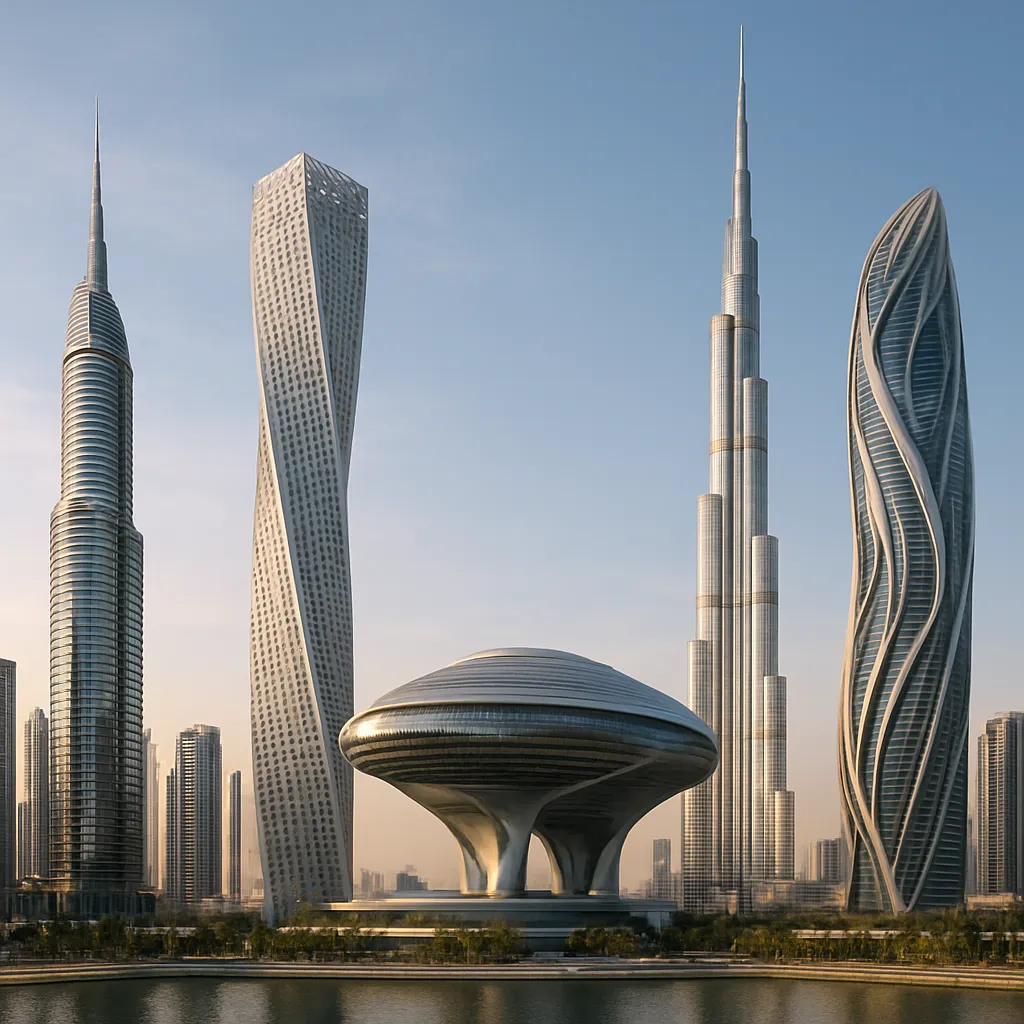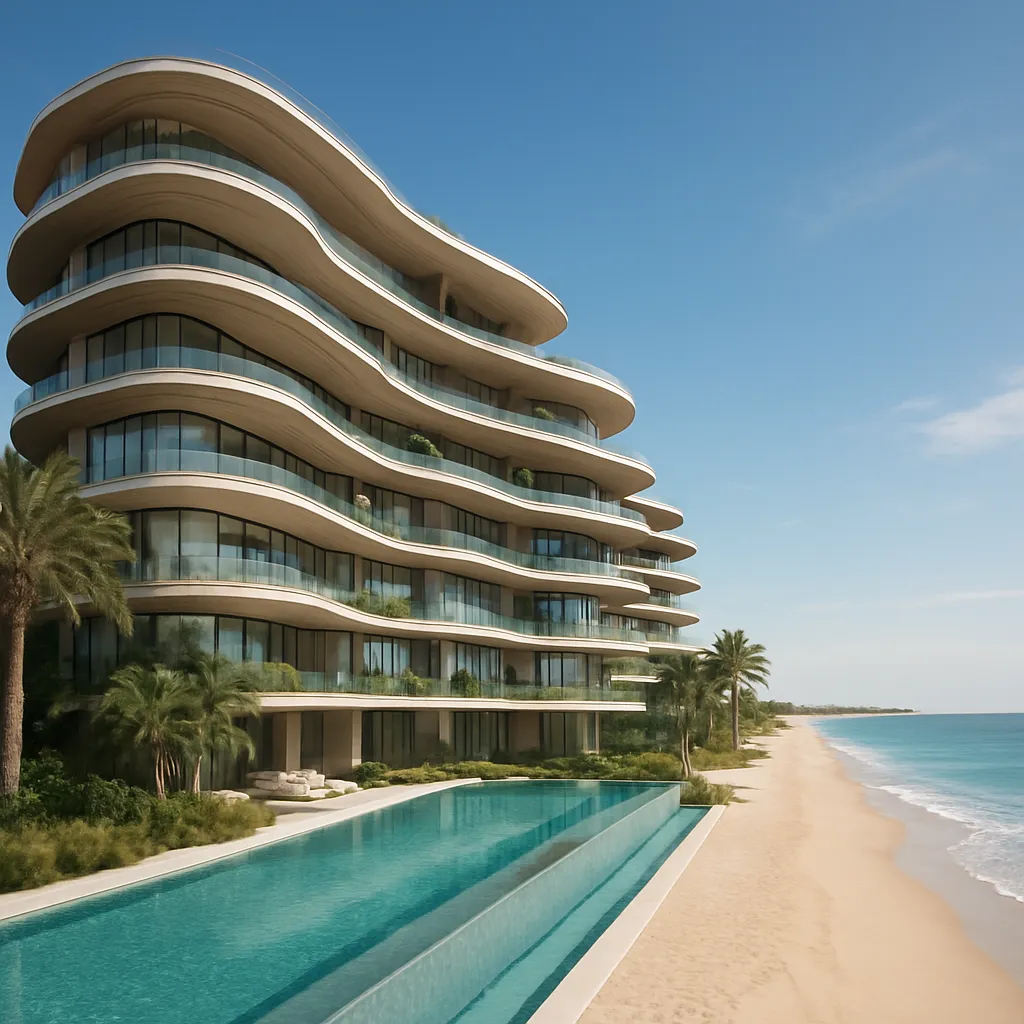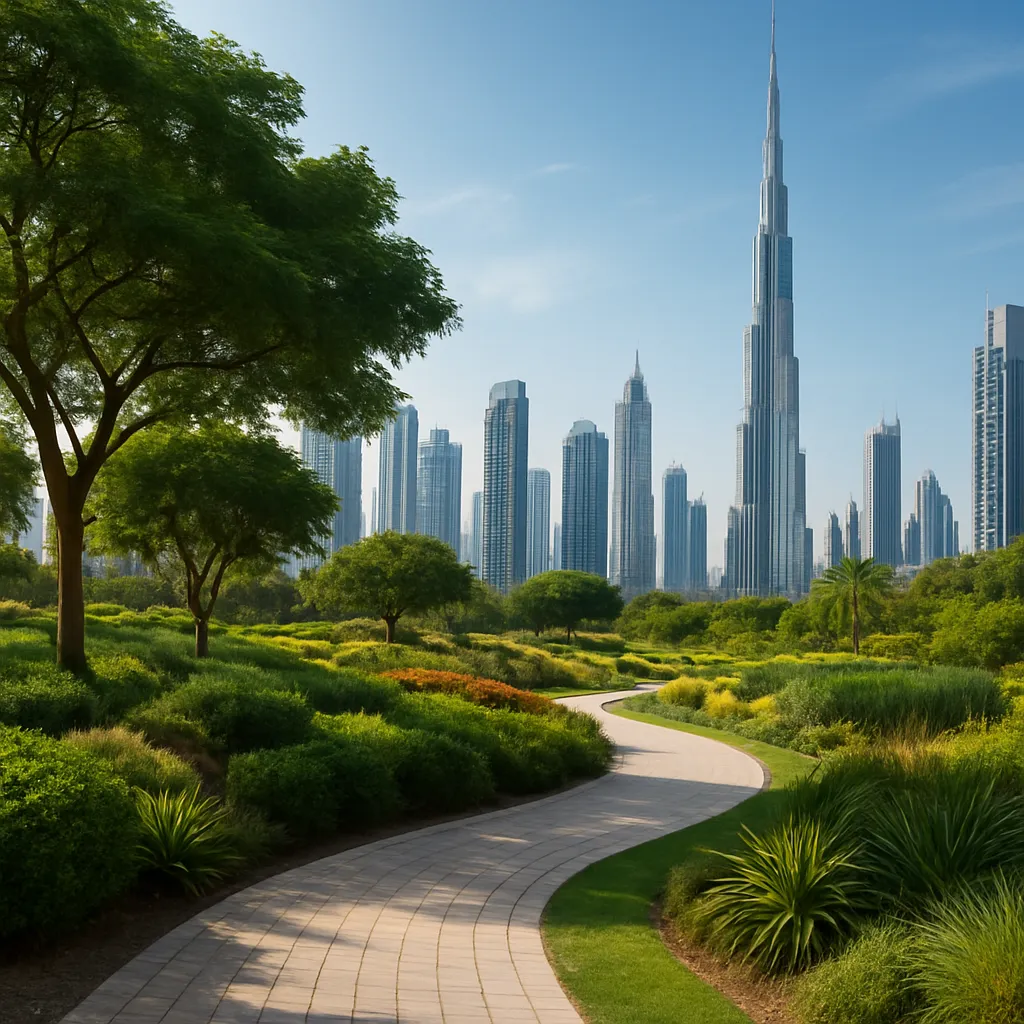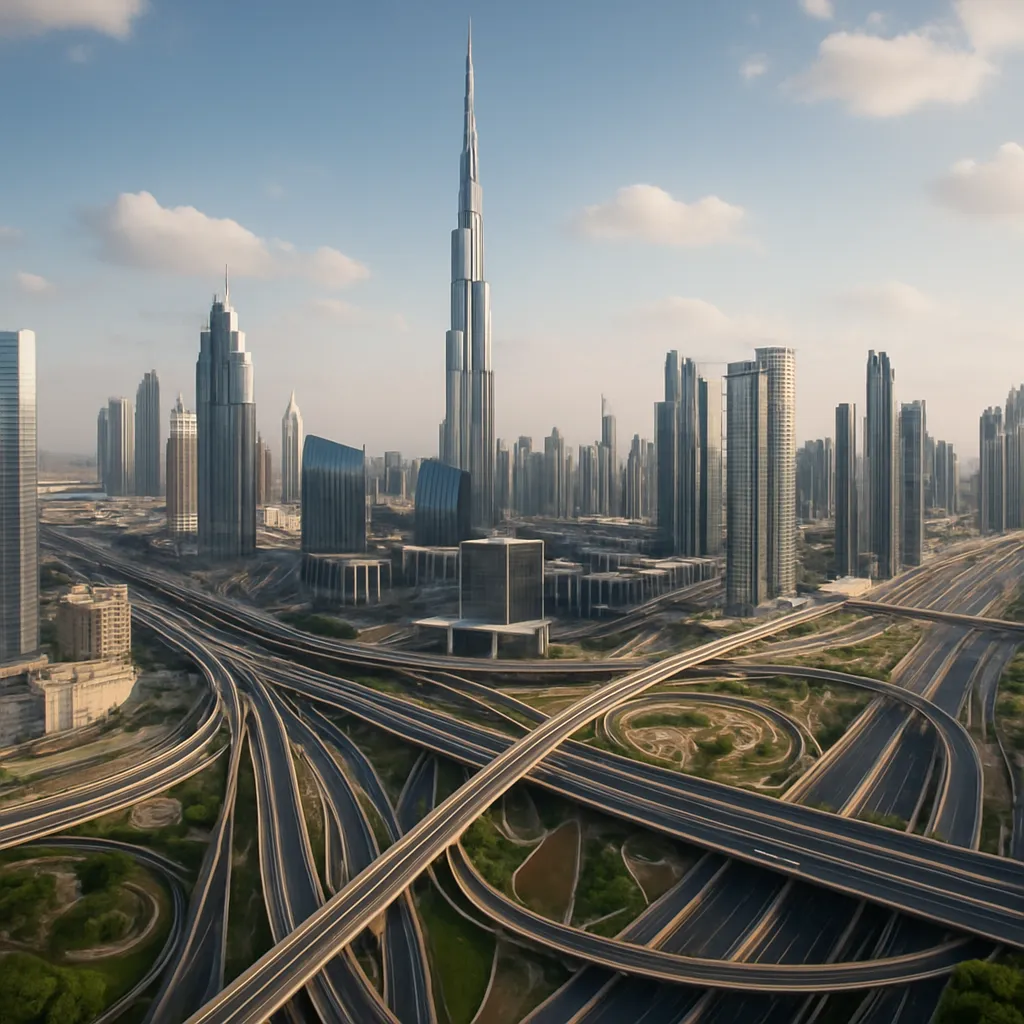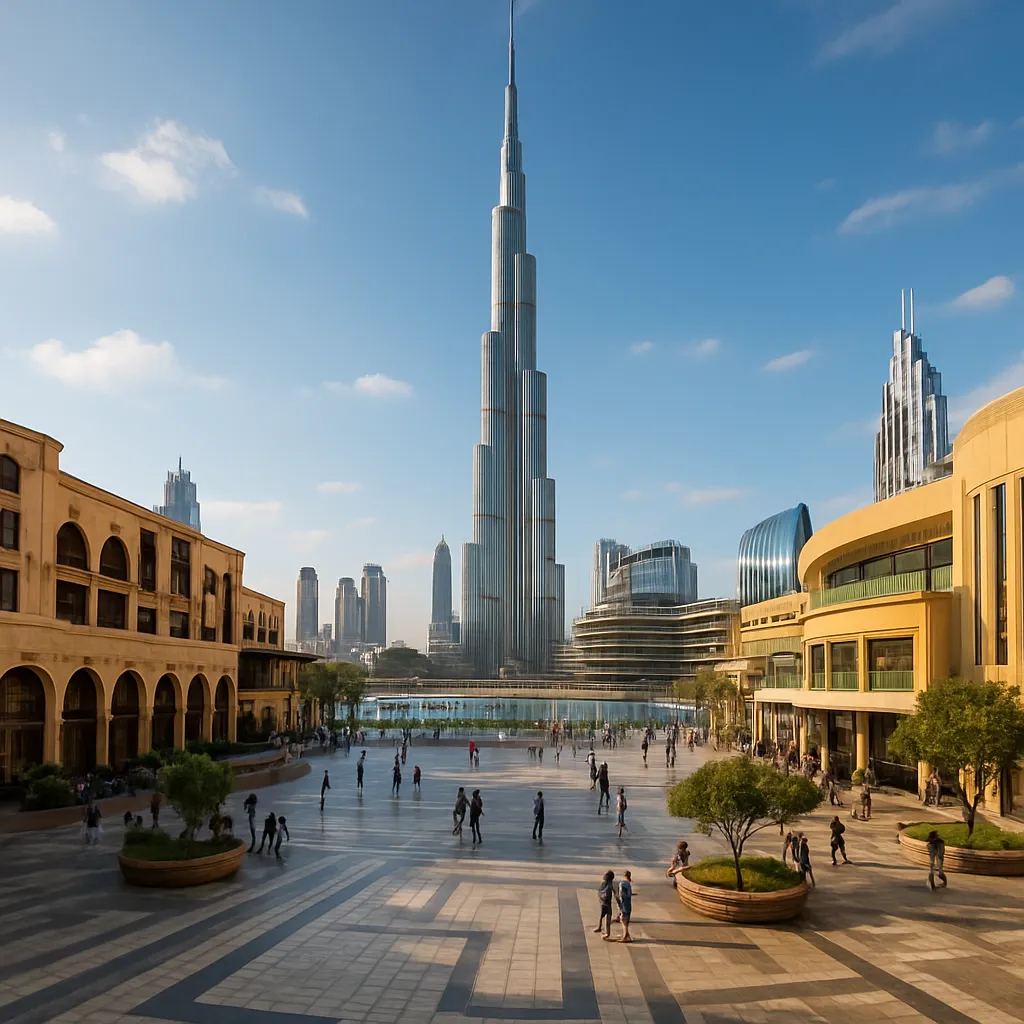
The rapid transformation of Dubai’s skyline is not only a testament to architectural ambition but also a reflection of a growing commitment to sustainability. From the shimmering towers of Downtown Dubai to forward-looking mixed-use communities, environmental considerations shape new developments. This article explores the regulatory framework, leading certification systems, evaluation criteria, and real-world examples that define Dubai’s journey toward greener, more resource-efficient buildings.
Green Building Regulations in Dubai
Regulatory Framework and Vision
Dubai’s government has rolled out a series of policies aimed at enhancing the efficiency and environmental performance of its built environment. The Dubai Municipality’s Green Building Regulation, first introduced in 2011 and updated periodically, mandates minimum standards for energy and water usage, indoor air quality, and waste management for all new constructions.
Key objectives include:
- Reduce per capita water consumption by 30% by 2030
- Achieve 40% reduction in carbon emissions from the building sector
- Ensure 25% of Dubai’s energy mix comes from clean sources
Governmental Initiatives and Incentives
To accelerate adoption, authorities have launched incentive programs offering:
- Reduced permit fees for projects achieving high certification levels
- Financial rebates on utility deposits
- Priority processing for green-labeled building permits
Such measures, coupled with growing public demand for healthier indoor environments, make compliance both a regulatory obligation and a market advantage.
Major Sustainable Certifications
LEED (Leadership in Energy and Environmental Design)
Administered by the U.S. Green Building Council, LEED is one of the most widely recognized international rating systems adopted in Dubai. It covers:
- Site selection and development
- Water savings
- Energy performance
- Materials and resources
- Indoor environmental health
Projects can attain four levels: Certified, Silver, Gold, and Platinum, based on a point system.
Estidama Pearl Rating System
Developed by the Abu Dhabi Urban Planning Council, Estidama (meaning “sustainability” in Arabic) influences many Dubai projects seeking regional alignment. The Pearl Rating System emphasizes:
- Urban planning principles
- Landscape design
- Waste management strategies
- Water and energy efficiency
Buildings target between one to five Pearls, with three Pearls often deemed the baseline for new developments.
Al Safat Certification
Introduced by Dubai Municipality in 2016, Al Safat adapts international best practices to local climate and cultural contexts. Its pillars include:
- Energy and water conservation
- Indoor comfort and air quality
- Materials sourcing and waste reduction
- Land use and ecology preservation
Al Safat offers Bronze, Silver, Gold, and Platinum levels, encouraging continuous performance improvement.
Evaluation Criteria and Benefits
Key Evaluation Metrics
All certification schemes in Dubai share a core set of metrics designed to gauge building performance:
- Energy Efficiency: Reduction in electricity consumption versus baseline models
- Water Efficiency: Use of low-flow fixtures, greywater recycling, and smart irrigation
- Indoor Environmental Quality: Ventilation rates, daylight access, and pollutant controls
- Material Sustainability: Use of recycled content and locally sourced materials
- Waste Management: Site waste audits and diversion rates from landfills
Advantages for Developers and Occupants
Achieving a high certification level delivers multiple benefits:
- Lower operating costs through reduced utility bills
- Enhanced marketability and higher property values
- Improved occupant comfort and health, leading to increased productivity
- Stronger resilience to climate variability and regulatory changes
Beyond direct financial gains, certified buildings contribute to Dubai’s broader goals of carbon neutrality and resilience in the face of urban growth.
Case Studies of Certified Projects
Burj Park Pavilion (LEED Platinum)
Located at the foot of Burj Khalifa, the Burj Park Pavilion received a Platinum rating under LEED v4 for:
- Ultra-efficient cooling systems using chilled water loops
- Extensive use of LED lighting with occupancy sensors
- Native landscaping requiring minimal irrigation
- Comprehensive waste segregation and recycling during construction
Its sleek design showcases how high-end architectural landmarks can also demonstrate environmental leadership.
Dubai Sustainable City (Estidama 3 Pearls)
This mixed-use community sets an example of integrated sustainable living. Key features include:
- Solar photovoltaic panels covering rooftops and parking canopies
- District cooling plant achieving 45% energy savings over conventional systems
- Organic waste composting for on-site agriculture
- Shared electric vehicle charging stations and bicycle lanes
By targeting Estidama’s three Pearl level, the project balances cost-effectiveness with high environmental standards.
Jumeirah Beach Hotel Expansion (Al Safat Gold)
The recent expansion of this iconic beachfront resort achieved Gold under Al Safat by:
- Implementing smart water meters and leak detection across all guest rooms
- Using low-emissivity glazing to minimize solar heat gain
- Incorporating recycled steel and timber in construction
- Providing guest education on sustainable practices
The hotel’s commitment to continuous innovation in sustainable operations has earned it recognition among hospitality leaders.
Future Directions in Dubai’s Green Building Landscape
Emerging Technologies and Materials
Dubai’s designers and engineers are exploring next-generation solutions such as:
- Phase-change materials for thermal storage
- Smart façade systems responding to solar radiation
- Building-integrated photovoltaics replacing opaque cladding
- Modular construction techniques reducing site waste
Integration with Smart City Initiatives
As part of the broader Dubai Smart City Agenda, green buildings are being linked to:
- Real-time energy monitoring dashboards
- AI-driven predictive maintenance for MEP systems
- Automated demand-response programs with utility providers
- Shared data platforms enabling performance benchmarking
These synergies reinforce Dubai’s position at the cutting edge of both urban technology and environmental stewardship.