Dubai’s urban tapestry showcases a bold fusion of engineering prowess and creative expression, resulting in a cityscape that dazzles the world. From record-breaking heights to fluid, sculptural forms, each structure tells a story of ambition, innovation and cultural resonance. This exploration delves into how cutting-edge techniques and artistic vision converge to define Dubai’s most iconic landmarks.
Structural Innovations Driving the Skyline
Dubai’s unstoppable quest for verticality and daring silhouettes has produced some of the most remarkable structural achievements in modern architecture.
Burj Khalifa’s Tapered Form
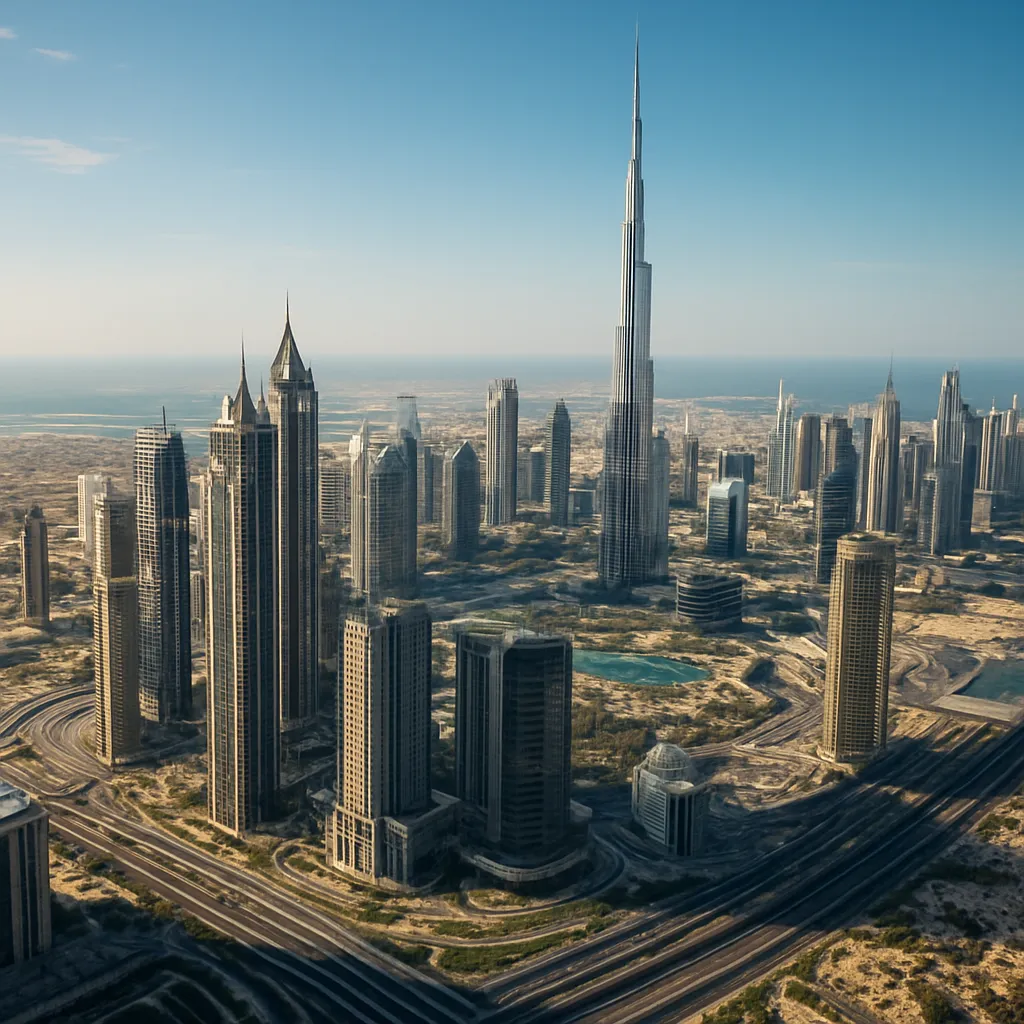
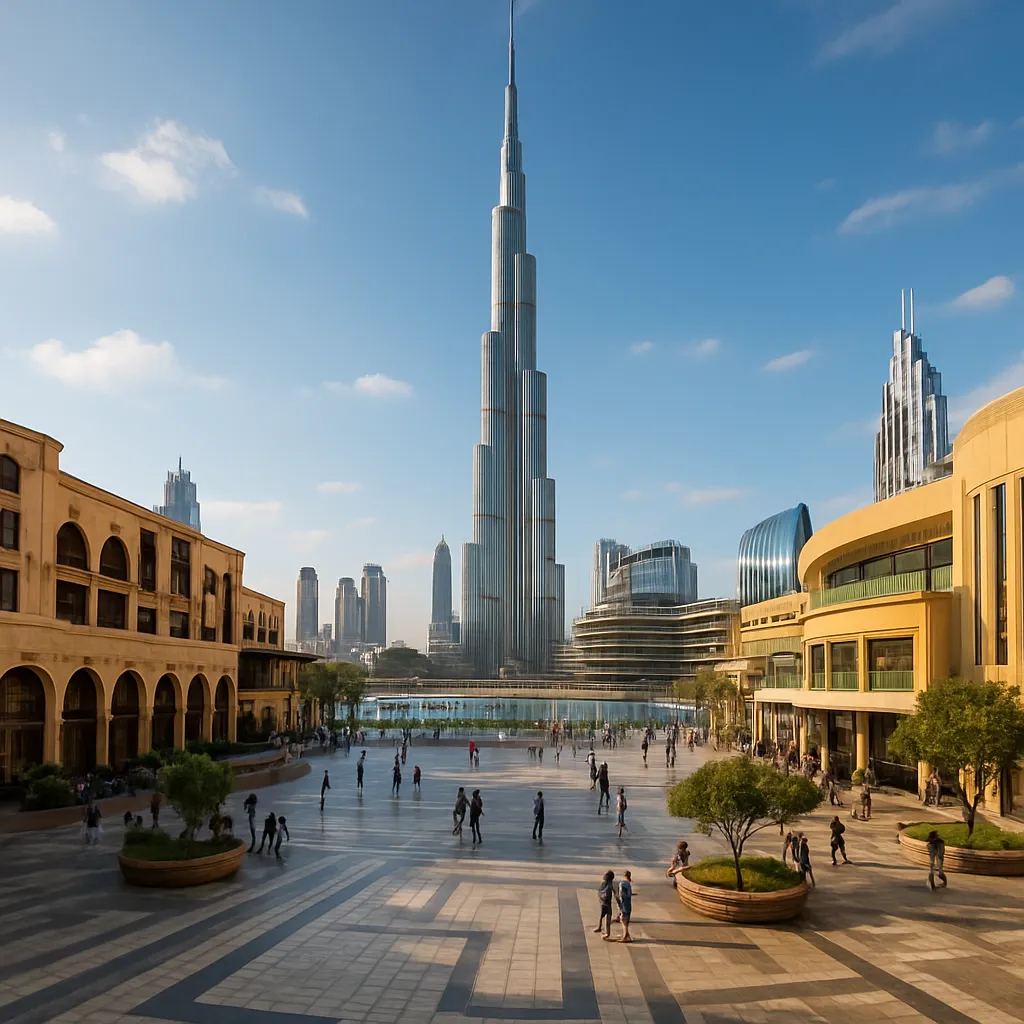
The world’s tallest building, the Burj Khalifa, epitomizes the marriage of form and function. Its stepped, y-shaped plan not only reduces wind forces but also enables sweeping views from every floor. Deep pile foundations anchored in bedrock support its soaring height of over 828 meters, a testament to advanced materials and load-bearing techniques. The exterior cladding—millions of square feet of reflective glass and aluminum—combines aesthetics with high-performance insulation, reflecting Dubai’s relentless drive for innovation and energy efficiency.
Burj Al Arab’s Sail-Inspired Geometry
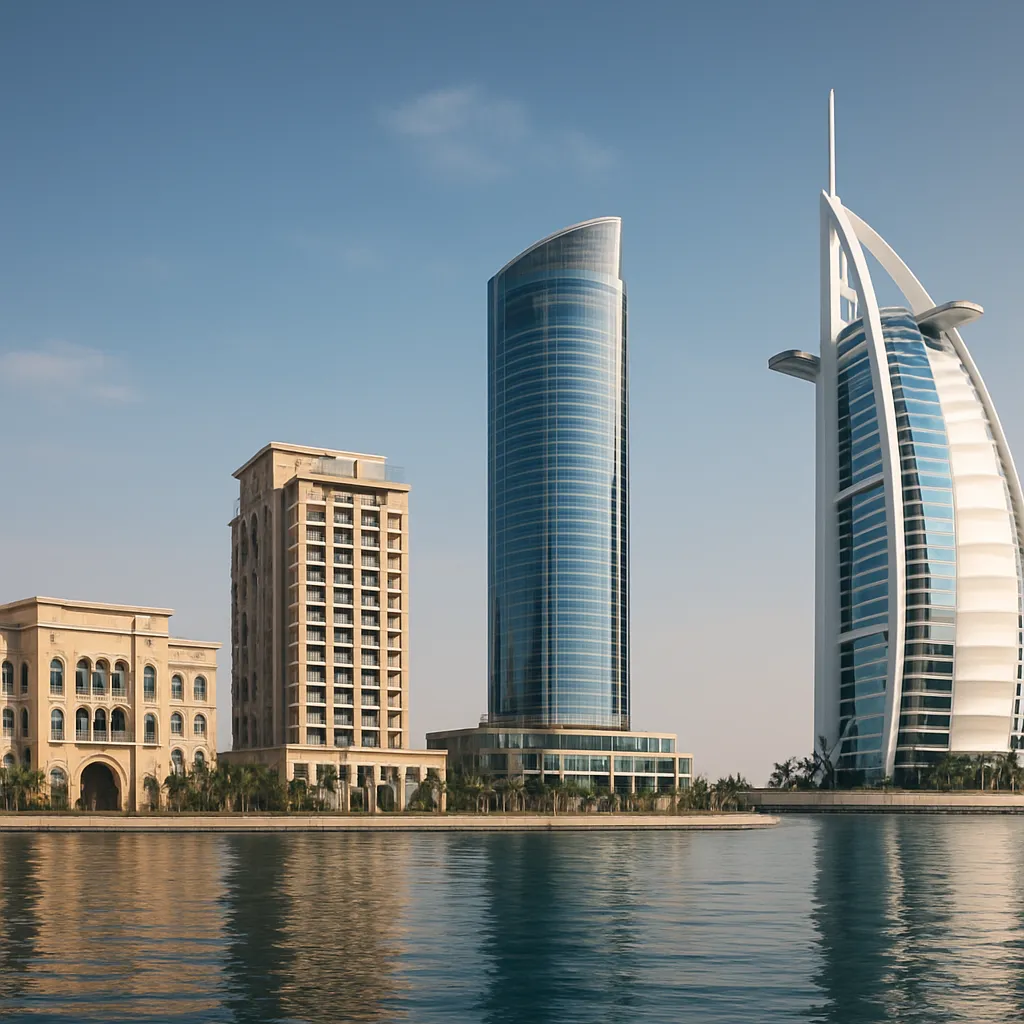
Rising on its own artificial island, the Burj Al Arab redefines the concept of a hotel as a sculptural piece. The two-floor atrium soars to 180 meters and uses a steel exoskeleton to achieve its sail-like profile. This dramatic silhouette is maintained by tensioned cables and a sophisticated mast system. Inside, lavish interiors contrast with the minimalist structural expression, demonstrating that extreme engineering can harmonize with opulent design.
Artistic Visions Embodied in Dubai’s Landmarks
Beyond sheer height, Dubai structures double as public art pieces, capturing the city’s spirit of creativity.
Dubai Opera – A Floating Vessel
Conceived to resemble a dhow, a traditional Arabian sailing vessel, Dubai Opera anchors cultural life on Dubai Water Canal. The cantilevered rooftop and curved façade required finite element analysis to ensure sound acoustics and audience comfort. The interior employs kinetic seating platforms that transform the space from a 2,000-seat theater to an open concert hall. The integration of aesthetics and adaptive design technologies elevates this building to a living work of art.
Museum of the Future – Parametric Expression
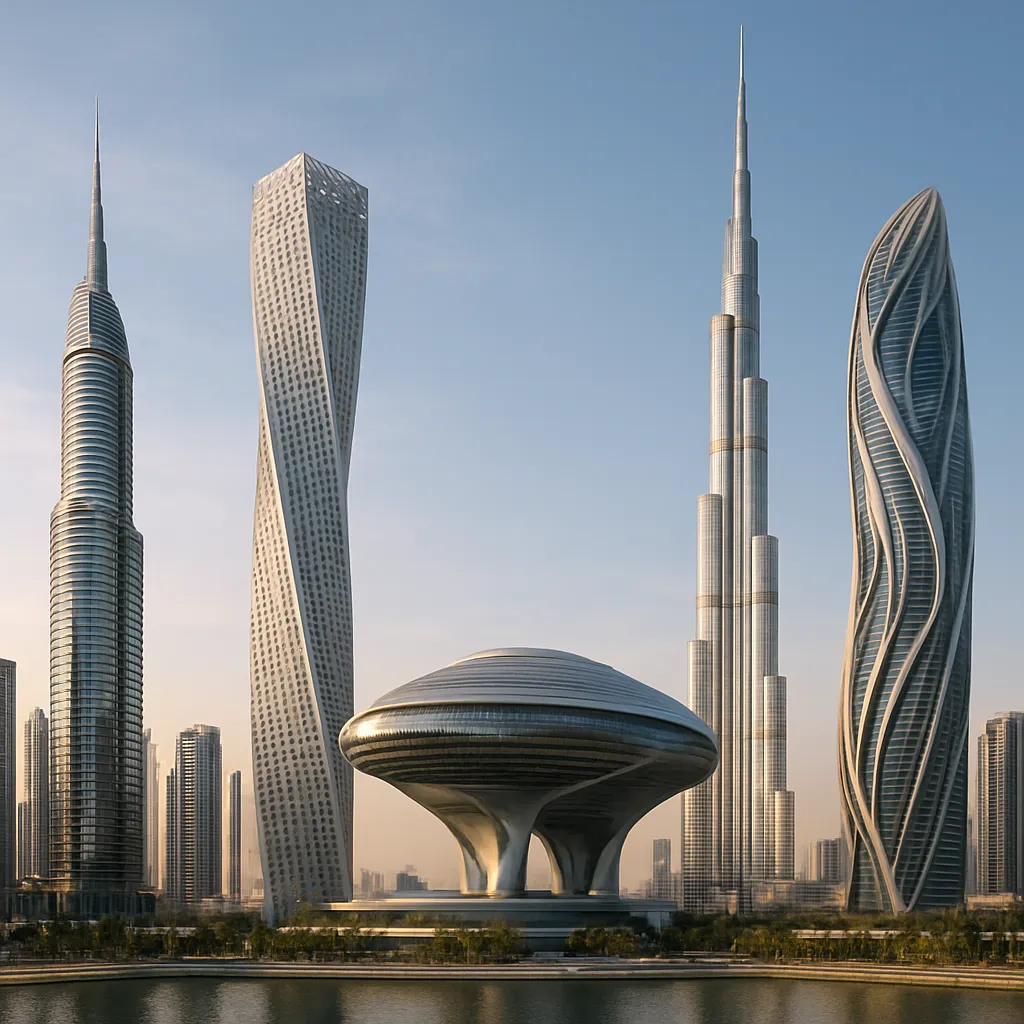
With its toroidal shape, the Museum of the Future shatters conventional geometry. Engineers and architects used parametric modeling to generate nearly 1,024 unique steel and composite panels. Each panel carries Arabic calligraphy cast in 3D, forming poetic verses about the future. The free-form structure required robotic fabrication, laser-guided assembly and performance glazing—techniques that push the envelope of technology in construction.
Sustainable Engineering Meets Cultural Heritage
Dubai’s green ambitions and respect for tradition converge in projects that blend low-impact systems with vernacular motifs.
The Sustainable City
Marketed as the world’s first net-zero energy district, The Sustainable City implements solar farms, waste-to-energy systems and passive shading. Streets are oriented along prevailing breezes; water features cool pedestrian promenades. Photovoltaic panels, biodomes and urban farms integrate seamlessly into the low-rise structures, creating an environment where sustainability informs every detail.
Al Fahidi Historical Neighborhood
In contrast to towering skyscrapers, the restored wind-tower houses of Al Fahidi celebrate Dubai’s past. Traditional engineering methods—corrugated gypsum walls and natural ventilation towers—are adapted for modern comfort. This district demonstrates that heritage preservation can coexist with urban development, offering a human-scale counterpoint to Dubai’s high-rise skyline.
Integration of Form and Function
Dubai’s architects and engineers continuously refine the art of blending utility with visual impact.
Dynamic Facades and Smart Materials
Innovations such as ETFE cushion systems and responsive louvers allow building skins to adapt to heat loads and daylight levels. These dynamic facades reduce energy consumption while creating mesmerizing patterns of light and shadow across interiors. By embracing adaptive materials, designers ensure that each façade becomes a living canvas.
Interactive Public Spaces
Pioneering projects like City Walk and Al Seef integrate digital installations, augmented reality wayfinding and interactive art into public realms. Elevated walkways, water features and sculptural shading elements encourage communal gathering, turning each space into an immersive narrative that invites exploration.
Prospects for Future Landmarks
As Dubai continues to expand, upcoming projects will push new boundaries of innovation, technology and artistic expression. Concepts such as the Mile-High Tower and floating islands with autonomous energy grids hint at a future where architecture not only entertains the eye but also champions resilience and environmental harmony. The city’s commitment to research, robotics and bioadaptive design promises a next generation of structures that will redefine global standards for engineering and aesthetic excellence.