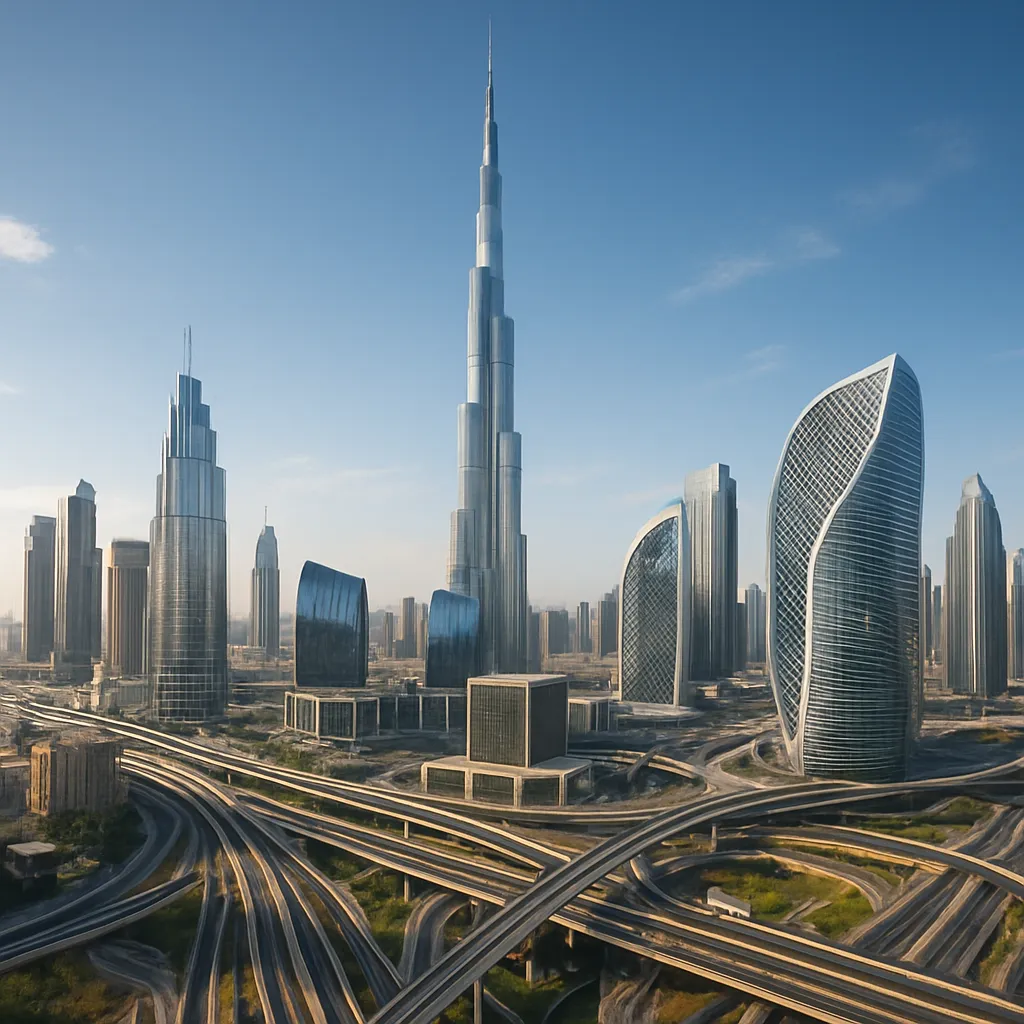
The ever-evolving metropolis of Dubai stands as a testament to human ambition and the power of visionary design. In a city born from the desert, architects and engineers have harnessed the extreme environment to create structures that push the boundaries of possibility. From sky-piercing spires to floating islands, each project in Dubai reflects a bold commitment to innovation and urbanism. This article delves into the defining features of Dubai’s architectural landscape, exploring how its iconic buildings continue to shape the future of city living.
Iconic Skylines and Innovative Designs
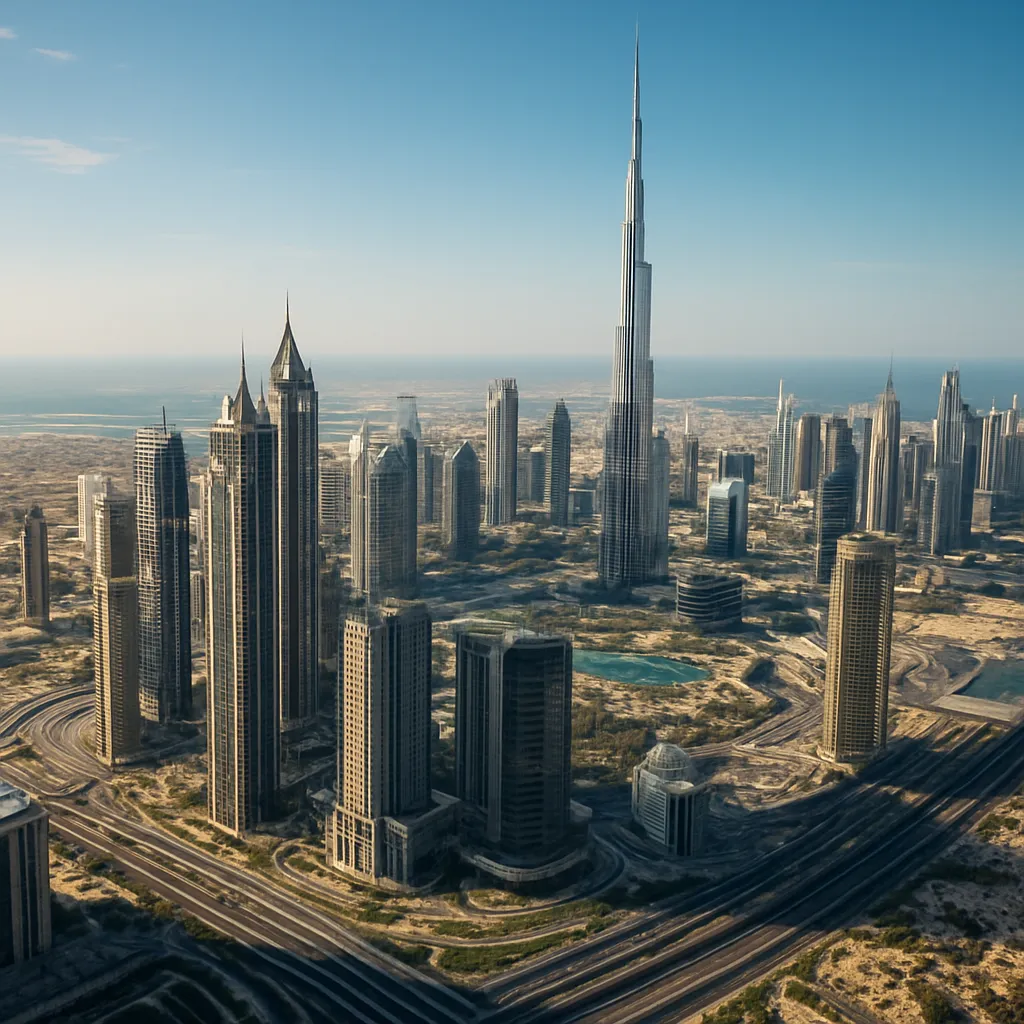
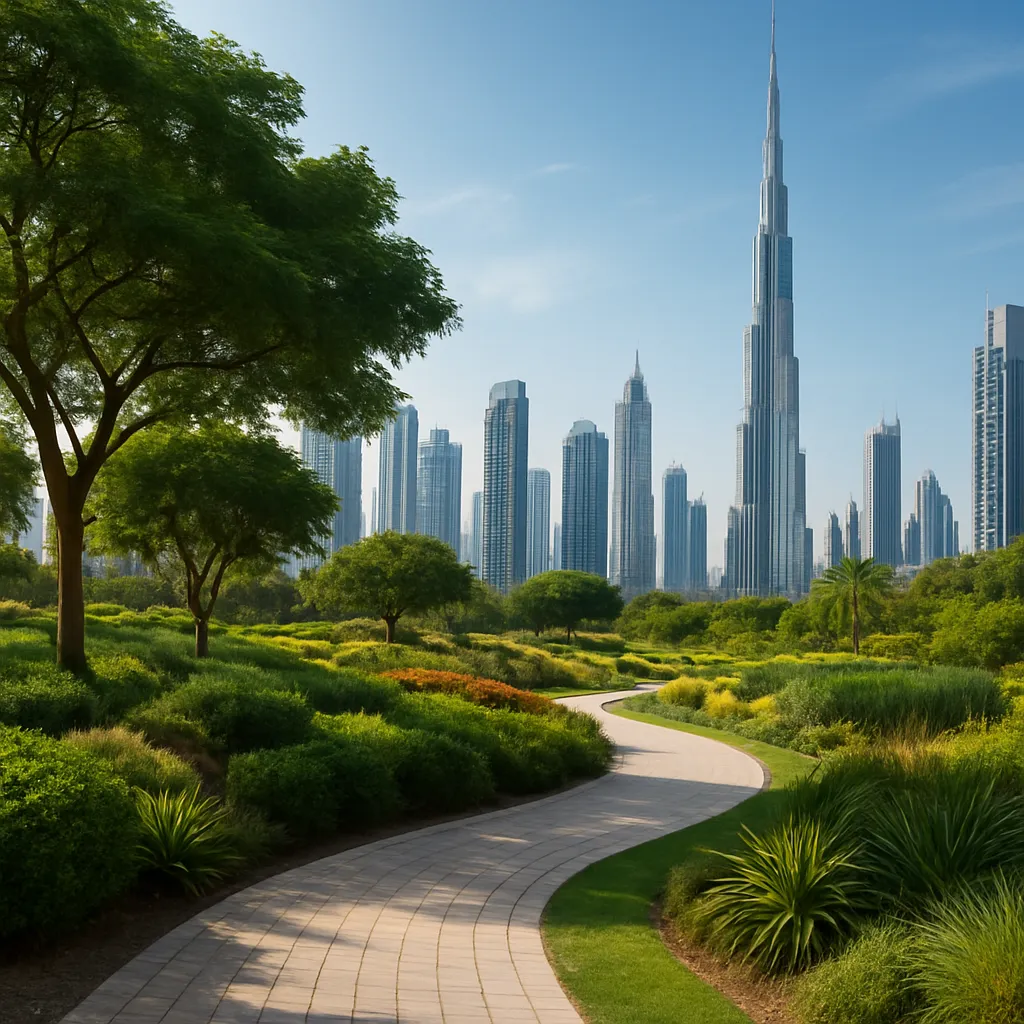
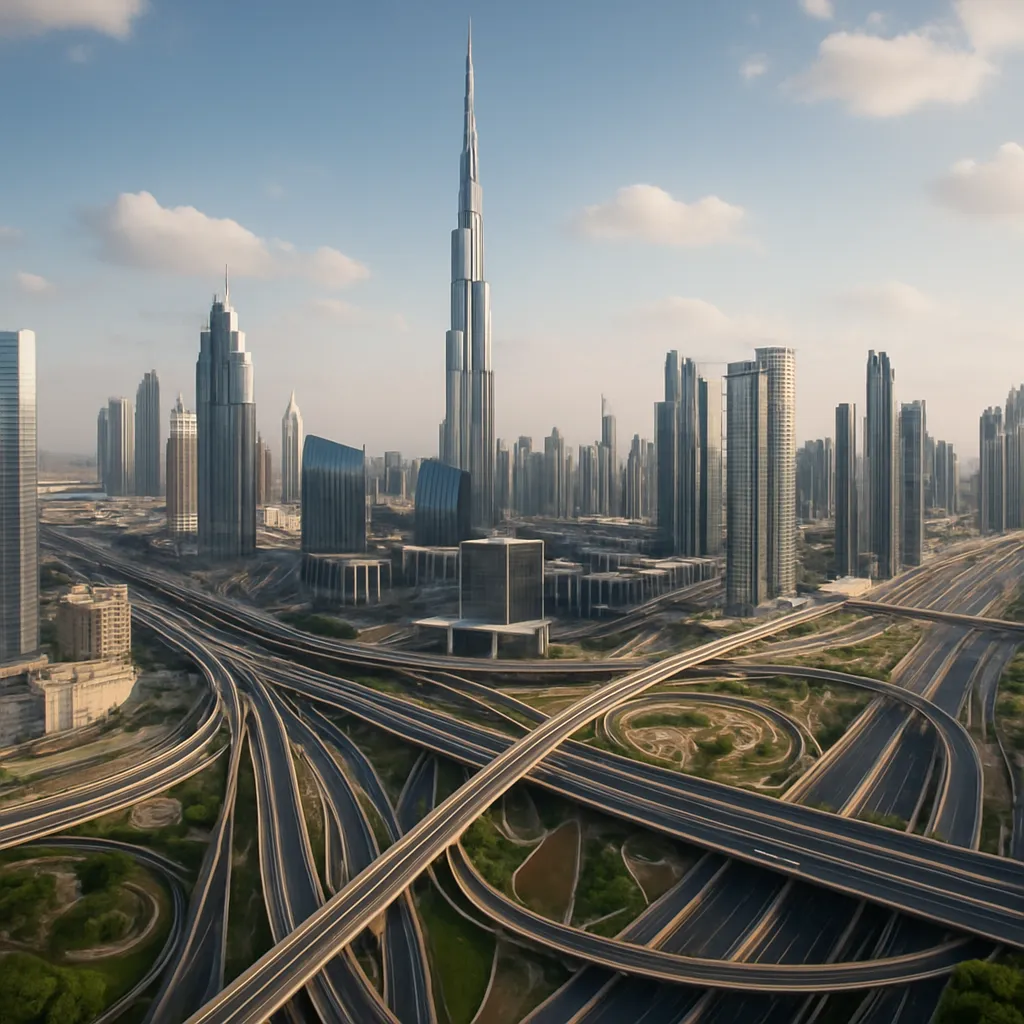
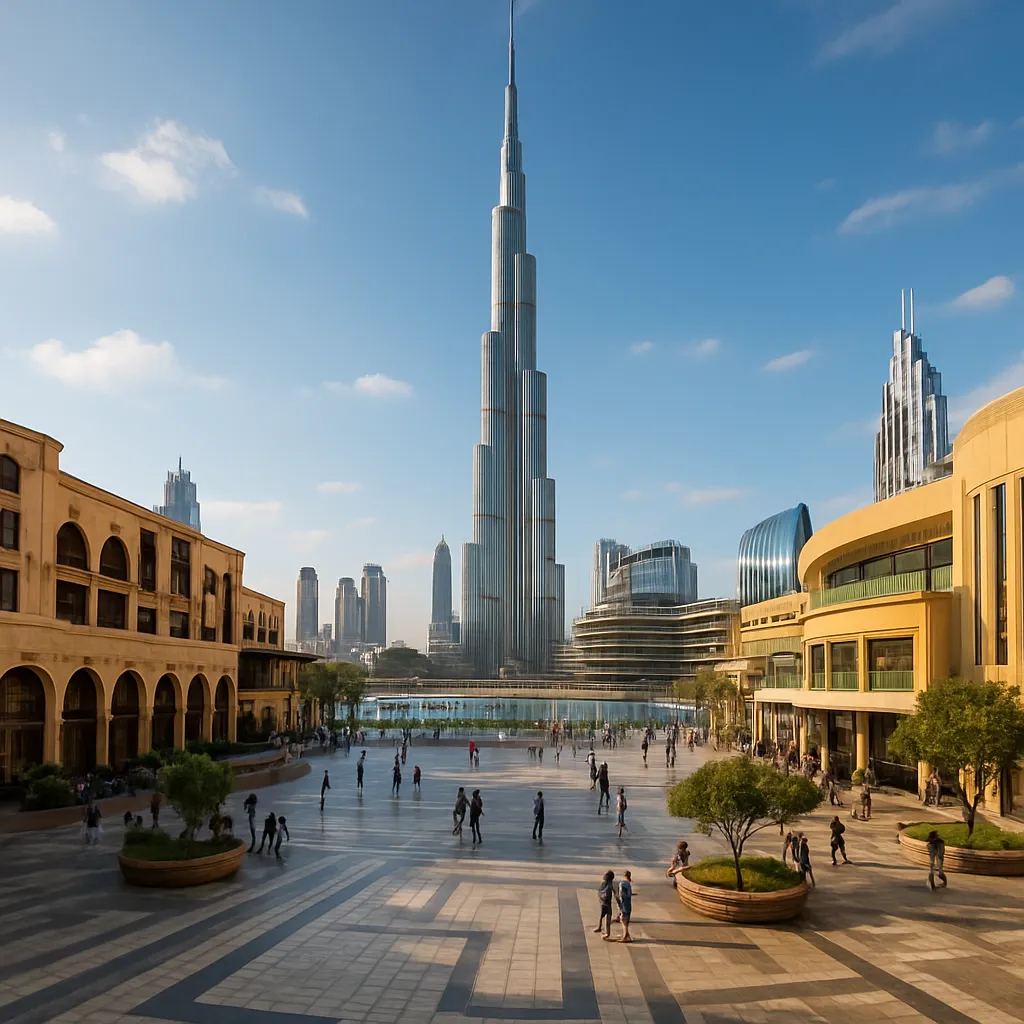
Today’s Dubai skyline is synonymous with sky-high ambitions realized through groundbreaking architecture. The city’s most recognizable silhouette is dominated by Burj Khalifa, a landmark that has redefined what it means to reach for the skies. Soaring at 828 meters, this tower accomplishes more than record-breaking height. Its sleek, tapering form optimizes wind flow, reducing vortex shedding around the structure.
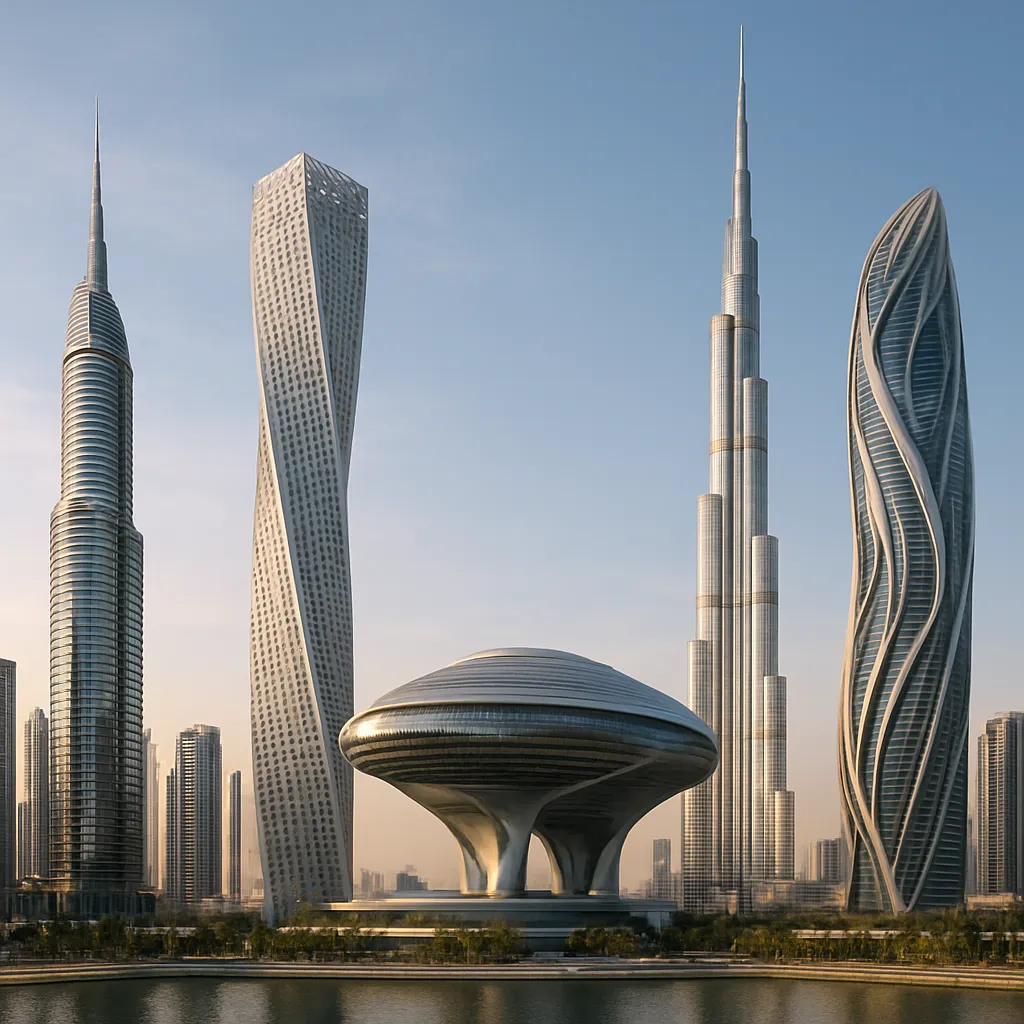
Other projects showcase parametric design principles that adapt façades to environmental conditions. The distinctive curves of Dubai Frame and the honeycomb-patterned façade of Museum of the Future exemplify how cutting-edge software tools enable architects to mold structures with unparalleled precision. By integrating geometry, climate data, and material performance, these designs deliver both aesthetic impact and functional efficiency.
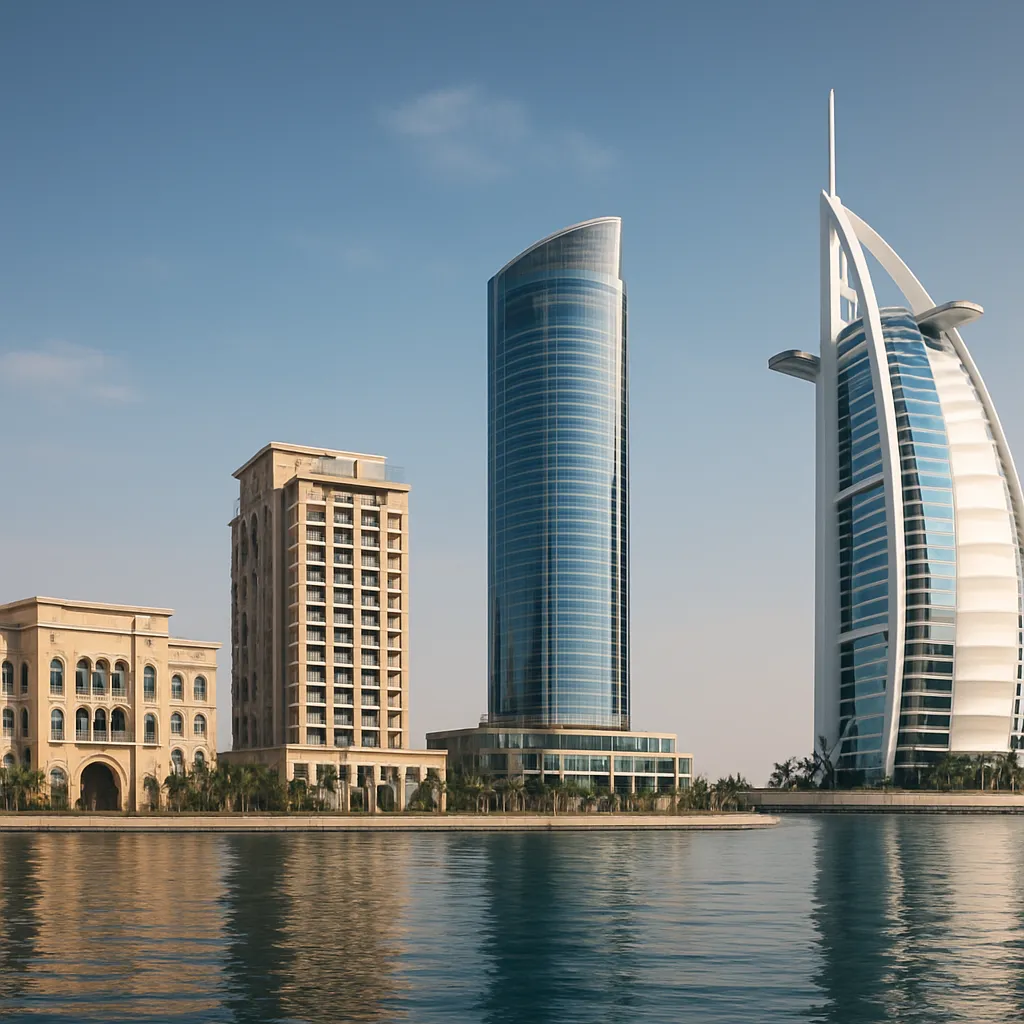
- Burj Al Arab: The sail-shaped hotel introduces marine-inspired curves and a cantilevered helipad, symbolizing Dubai’s nautical heritage.
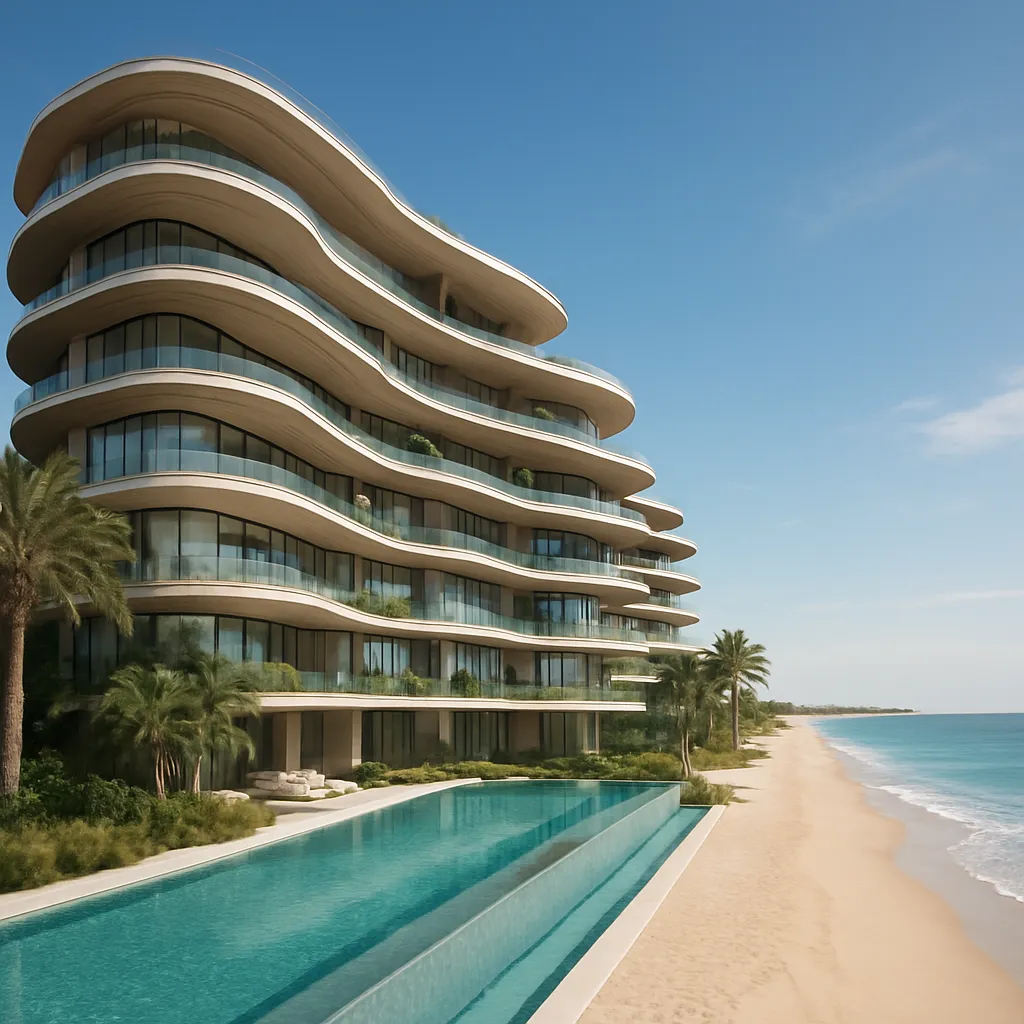
- Jumeirah Beach Residences: A cluster of towers with unique massing strategies to optimize sea breezes and natural light.
- Gherkin-like Office Towers: Inspired by biomimicry, these high-rises employ diagonal bracing systems that enhance lateral stability while minimizing structural steel usage.
In each instance, Dubai’s architectural community leverages parametric modeling to conceive forms that would have been impossible a few decades ago. These interventions not only create visual drama but also address pressing environmental and structural challenges at scale.
Sustainable Solutions in Desert Urbanism
Building in an arid climate presents unique challenges that demand creative strategies for sustainability. Dubai’s desert context necessitates advanced cooling systems, solar control measures, and efficient water management. Projects such as the Masdar City Extension — although located in Abu Dhabi, its principles resonate in Dubai — showcase the use of high-performance glazing, thermal insulation, and integrated photovoltaic arrays to achieve net-zero energy goals.
Local architects have adopted passive design tactics like orienting buildings to minimize solar gain and employing courtyard typologies to create shaded outdoor spaces. The District 2020 development repurposes the Expo 2020 site with modular structures that can be dismantled and relocated, exemplifying a circular economy mindset. This adaptability ensures that resources remain in use, reducing the carbon footprint over the project lifecycle.
Key Strategies for Sustainable Desert Architecture
- Advanced shading systems: Dynamic brise-soleils that track the sun’s path to reduce glare and heat gain.
- Water recycling: Greywater treatment plants integrated into building basements to support landscaping and cooling towers.
- Green roofs and vertical gardens: Vegetation that insulates buildings and improves air quality in dense urban pockets.
Through these measures, Dubai is positioning itself as a global leader in resilient, resource-conscious design. The synergy between local traditions — such as wind towers (barjeel) — and modern engineering presents a compelling model for other regions facing harsh climates.
Technological Integration and Smart City Initiatives
Dubai’s transformation into a smart city is underpinned by the marriage of physical and digital infrastructure. Developers embed sensors, IoT networks, and AI-driven building management systems within new projects to optimize operations, enhance safety, and provide real-time feedback to occupants.
For example, The Linear City proposal envisions a multi-nodal network of self-sufficient communities linked by autonomous transit corridors. Each module will feature intelligent façades capable of adjusting opacity based on daylight harvesting and occupancy levels. By leveraging big data, these structures promise to reduce energy consumption by up to 40% compared to conventional buildings.
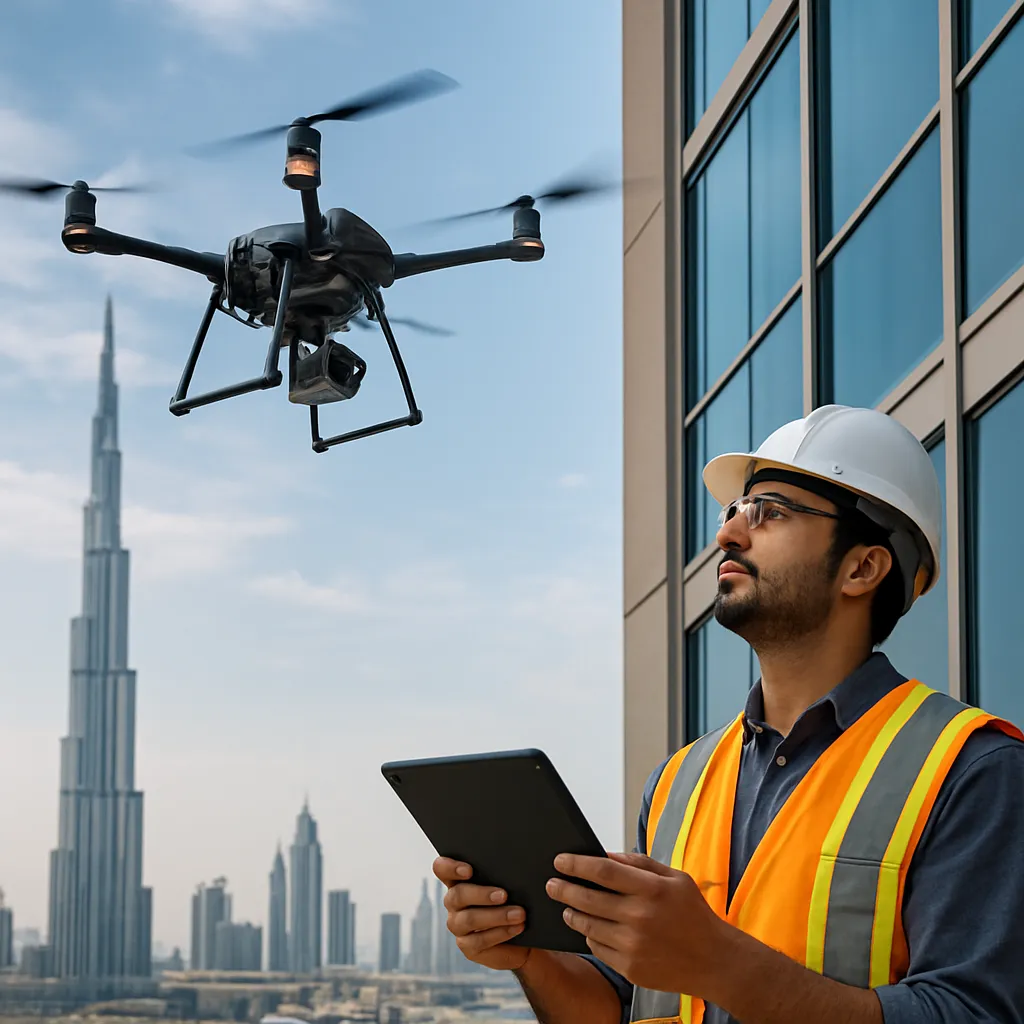
- Automated maintenance: Drones and robotics inspect façades and structural elements, detecting cracks or corrosion before they escalate.
- Predictive analytics: AI algorithms forecast HVAC loads and optimize equipment schedules to maintain occupant comfort with minimal energy use.
- Smart lighting: Networked LED fixtures that respond to natural light availability and pedestrian movement, enhancing safety and ambiance.
The integration of these systems reflects Dubai’s commitment to a future where buildings act as living ecosystems, continuously learning and adapting to their inhabitants’ needs. Such innovation promises to deliver cost savings, reduce environmental impact, and elevate the quality of urban life.
Cultural Fusion and Architectural Identity
While Dubai is often celebrated for its futuristic visions, its architects also pay homage to the region’s rich cultural heritage. Projects like the Al Fahidi Historical Neighbourhood demonstrate how restoration and adaptive reuse can celebrate traditional wind towers, coral stone walls, and narrow alleys that once characterized pre-oil settlements.
Contemporary developments frequently incorporate Islamic patterns, geometric tessellations, and mashrabiya-inspired screening. By blending vernacular motifs with modern materials, designers create a dialogue between past and present. The Dubai Creek Harbour centerpiece, the Art’otel, uses perforated metal panels that filter light in patterns reminiscent of traditional lattices, while maintaining a sleek, contemporary aesthetic.
- Heritage centers: Museums and galleries nestled within historic districts preserve storytelling traditions and craftmanship.
- Public art installations: Sculptures and light projections that evoke Bedouin nomadic patterns and regional folklore.
- Urban promenades: Waterfront pathways that weave through modern towers and refurbished souks, offering a sensory journey.
This synthesis of cultures underlines Dubai’s ambition to be a global crossroads — a city where architectural expression honors local identity while embracing international influences.
Looking Ahead: The Next Wave of Architectural Marvels
As Dubai prepares for future milestones, upcoming projects promise even more breathtaking feats. Plans for Dubai Creek Tower aim to surpass current height records, employing a network of tensioned superstructures that resemble the delicate rigging of a dhow sail. Meanwhile, floating neighborhoods and underwater museums explore the potential of amphibious architecture in response to rising sea levels.
These ventures will continue to expand the frontiers of material science, robotics, and environmental adaptation. Through ongoing collaboration between government entities, private developers, and research institutions, Dubai remains at the forefront of redefining what urban architecture can achieve.
By embracing resilience and maintaining a spirit of experimentation, the city ensures that its built environment remains an incubator for revolutionary ideas. As each new project reaches for the next horizon, Dubai solidifies its reputation as a global pioneer in the art of shaping tomorrow’s cities.